Vintage Wedding Ideas on a Budget: Thrifted Glassware, Flea Market Finds and Real Rental vs Thrift Costs
The cheapest vintage wedding is built from thrift store glass, flea market finds and one clear era, plus a few DIY pieces made to look old. Secondhand glasses cost around $2 each, while a vintage rental company charges about $4.25 per goblet for one day, so buying beats renting for most couples with more than a few months to shop.
Here is the good news: vintage is the one style where mismatched is the point. Your aunt's old cake plate, a stack of thrifted saucers and three different kinds of glasses on one table all look planned. You are not hunting for sets, just for a mood.
Thrifted glassware: the biggest easy win
Glasses are on every table and in every photo, so this is where vintage shows up most for the least money.
A Goodwill store in the Pacific Northwest listed water glasses at $1.99 each and champagne glasses at $2.99 each, with candlesticks at $2.99 and a tablecloth at $5.99, and noted that prices vary by location (Evergreen Goodwill). For 100 guests, one water glass each comes to about $199 and a champagne glass each to about $299.
What to look for:
- Pressed and cut glass. Heavy, patterned glass from the 1930s to the 1970s is common in thrift stores and looks expensive on a table.
- Colored glass. Amber, green and pink glass go a long way. Pick one or two colors so it reads as a choice.
- Coupes over flutes. Wide champagne coupes are the classic vintage shape and are often cheaper than matching flutes because fewer people want them for home use.
- Odd pieces as vases. Single sherry glasses, small creamers and sugar bowls make little flower holders for a bud or two.
Run a finger around every rim before you buy. Chips are easy to miss under store lights and they are the one flaw guests will notice. Buy about 10 percent extra for breakage.
Rental vs thrift: the real numbers
Renting is the fast option. One Los Angeles vintage rental company lists its Early American pressed glass goblets at $4.25 each (Casa de Perrin). The page does not list delivery or breakage fees, so ask about both before you compare.
| 100 guests, one glass each | Cost | What you get |
|---|---|---|
| Thrifted water glasses | about $199 | You keep them, wash them yourself, can resell after |
| Thrifted champagne glasses | about $299 | Same, but slower to find in bulk |
| Rented vintage goblets | about $425 plus fees | Delivery and a matched look, back the next day |
When renting makes more sense:
- You have less than two months. Finding 100 glasses secondhand takes several trips.
- You have nowhere to store them. Ten boxes of glass in a small apartment is a real cost.
- You want one exact pattern. Matching sets are what rental companies are good at.
When thrifting wins: you have time, a car and a friend who likes a Saturday hunt. You can also sell the glasses afterwards to the next couple, which brings the real cost down further.
How to shop a flea market for a wedding
Flea markets, estate sales and church rummage sales are where the bulk finds hide. A few things make the trip worth it:
- Go early for choice, late for price. The best pieces leave in the first hour. In the last hour, sellers often take a lower offer rather than pack everything back up.
- Ask for a box price. If one seller has 20 glasses, offer for the lot. Most people would rather sell the whole box.
- Bring cash, newspaper and a sturdy crate. Small bills help you bargain and paper keeps glass from clinking in the car.
- Shop for the theme, not the item. Brass candlesticks, old books, lace doilies and framed mirrors all work in many places, so buy what fits your colors when you see it.
Pick one era and keep it simple
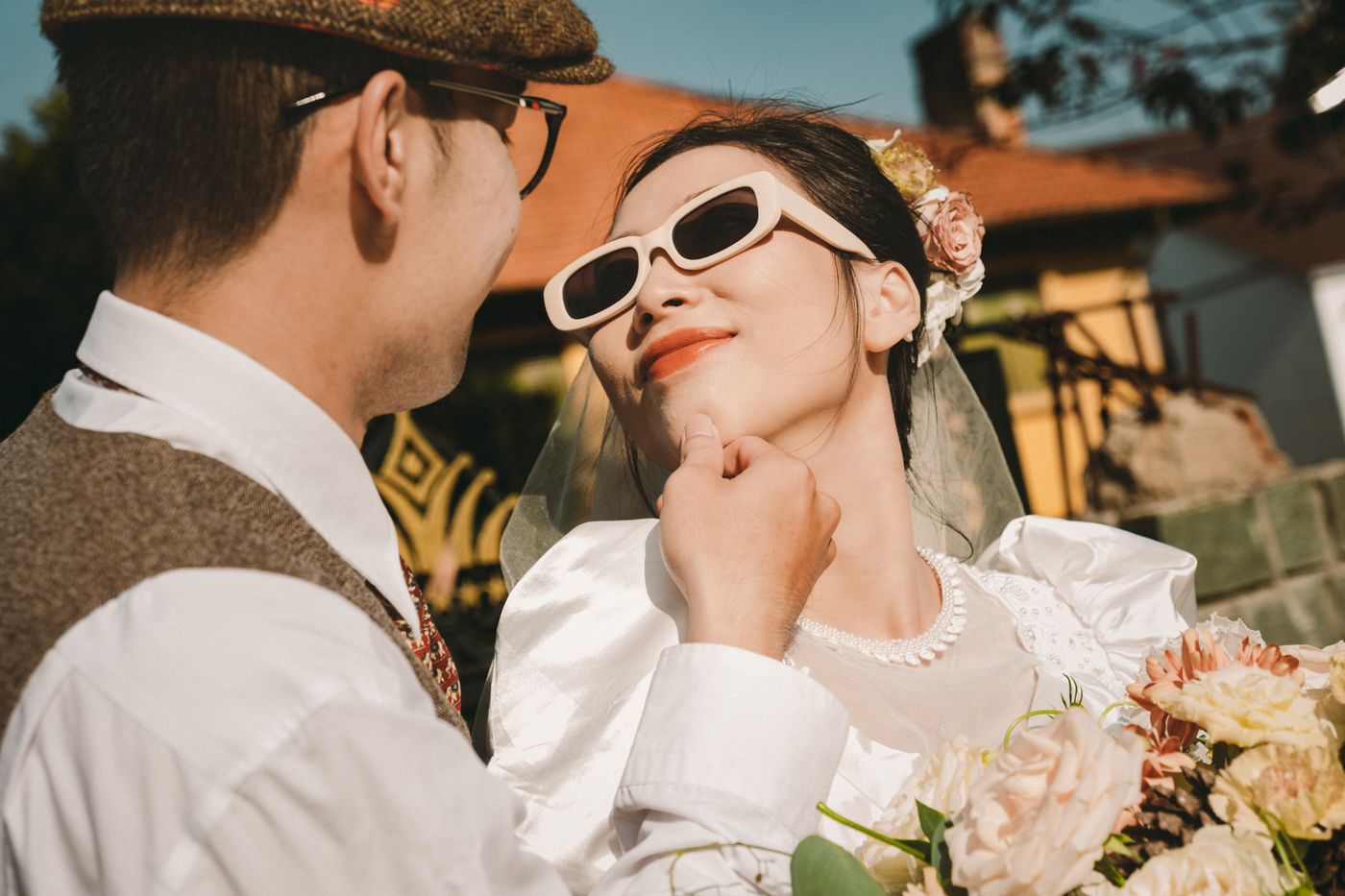
"Vintage" covers a hundred years, so choose a decade. It makes every shopping decision easier and saves money, because you stop buying things that do not fit.
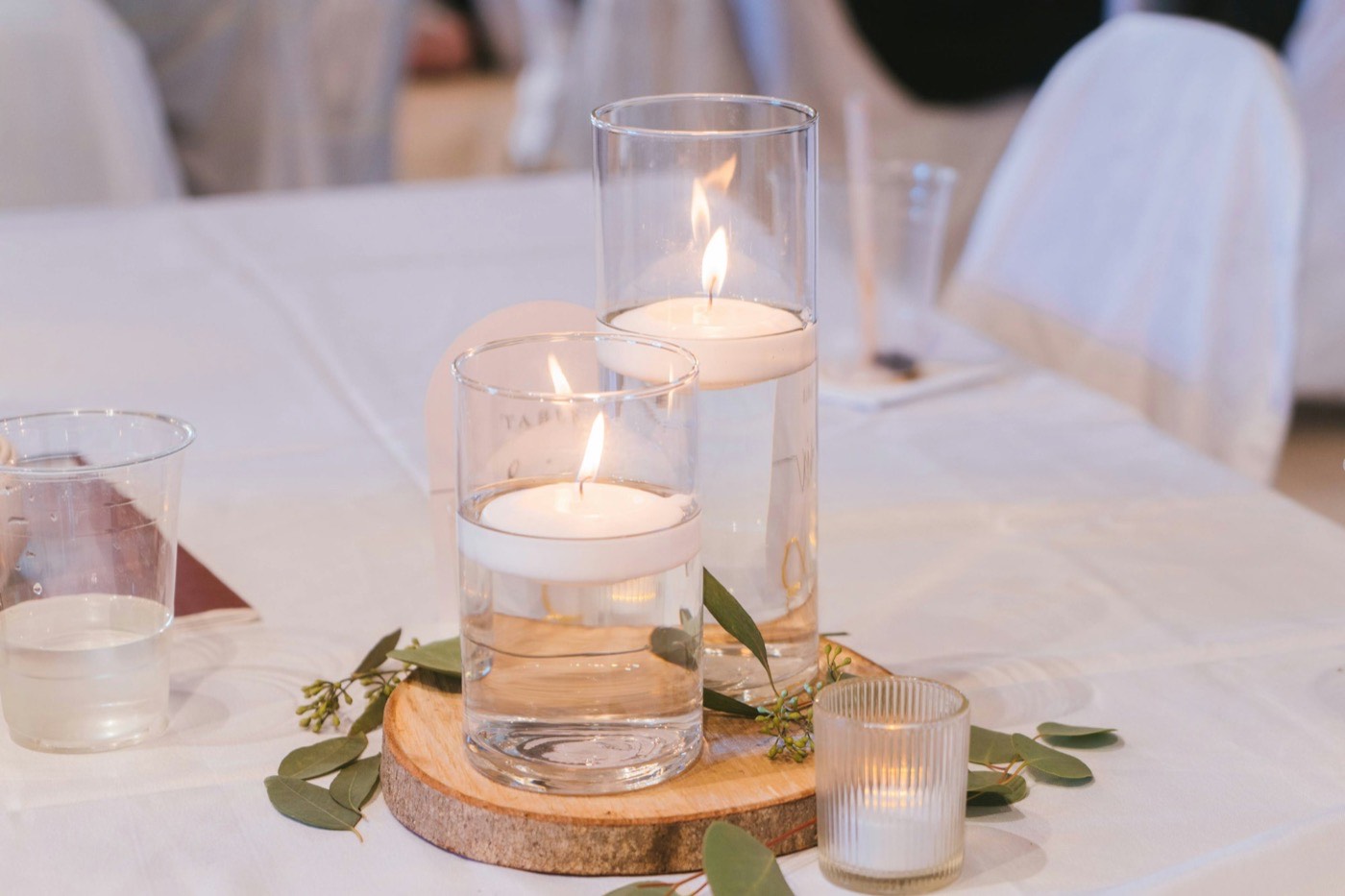
1920s. Gold and black, art deco shapes, candles and pearls. Thrifted brass candlesticks and coupes do most of the work. Add floating candle centerpieces in tall glass for that slim, gold-lit look.
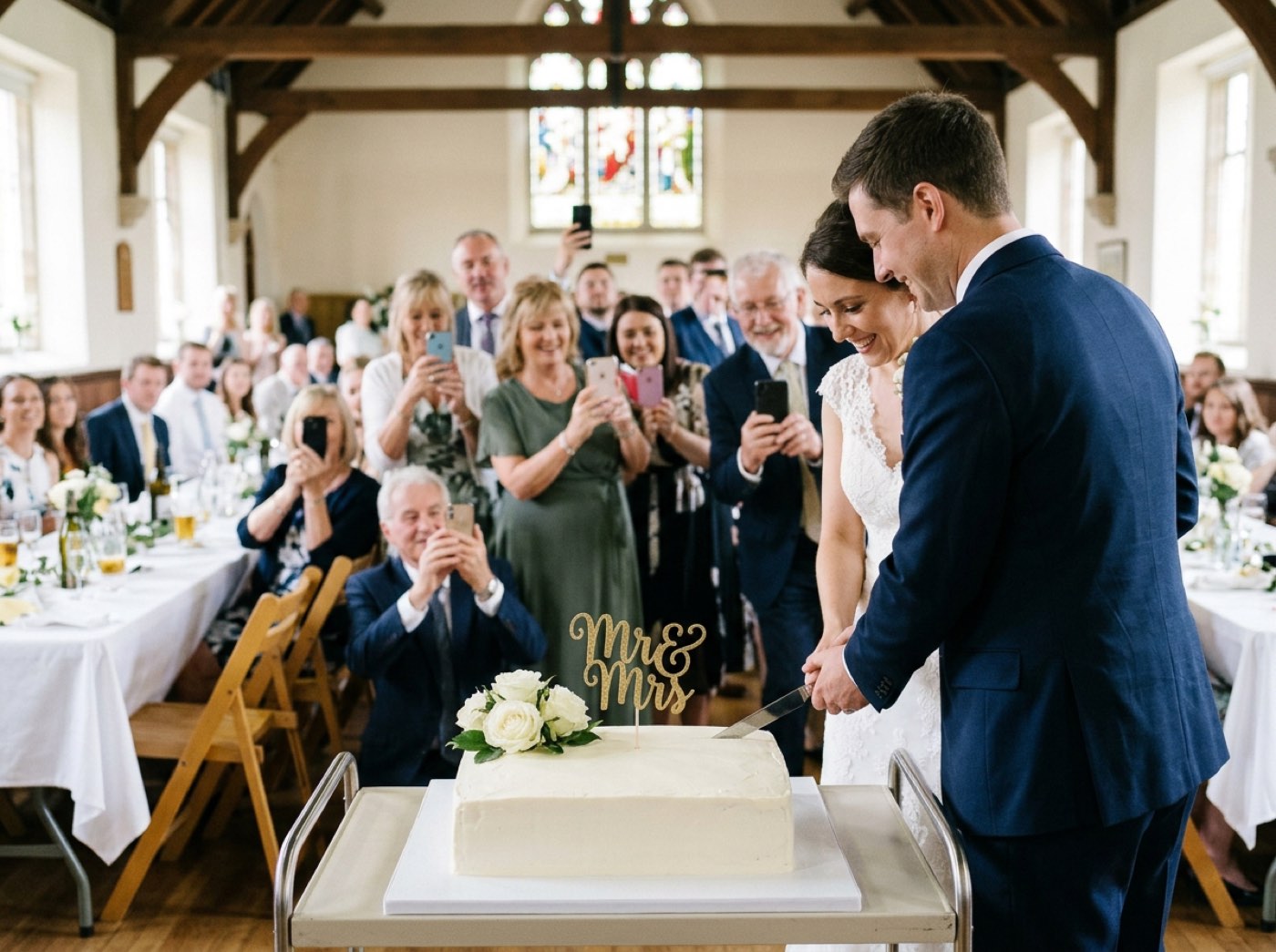
1950s. Pastel colors, polka dots, cake plates and tea cups. A tiered cake is the centerpiece of the era, and a store-bought cake makeover costs about $40 instead of the $150 a bakery charges for a similar cake.
1970s. Earthy colors, macrame, amber glass and wildflowers. This is the cheapest era to shop for because so much of it is still in thrift stores.
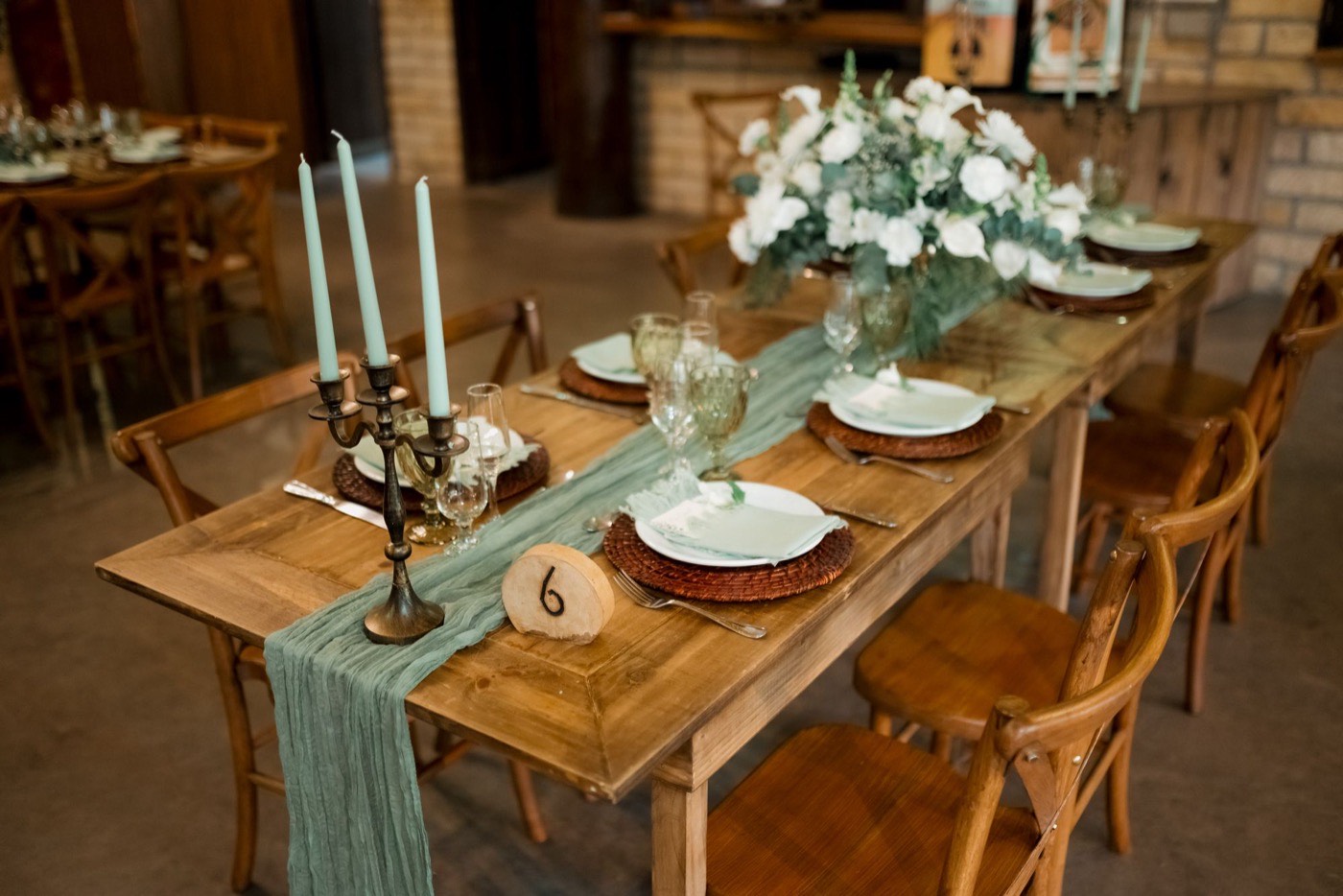
Victorian and country. Lace, cream, dried flowers and old wood. A cheesecloth table runner tinted with tea gives you that faded, old-linen color for a few dollars per table. If your venue is a barn, see our rustic barn wedding ideas too.
DIY pieces that look old
Some vintage details are cheaper to make than to find.
- Wax seals. Nothing says old-fashioned like a wax seal on an envelope. Our wax seal invitations cost about $0.54 per invitation, against about $1.00 for ready-made seals.
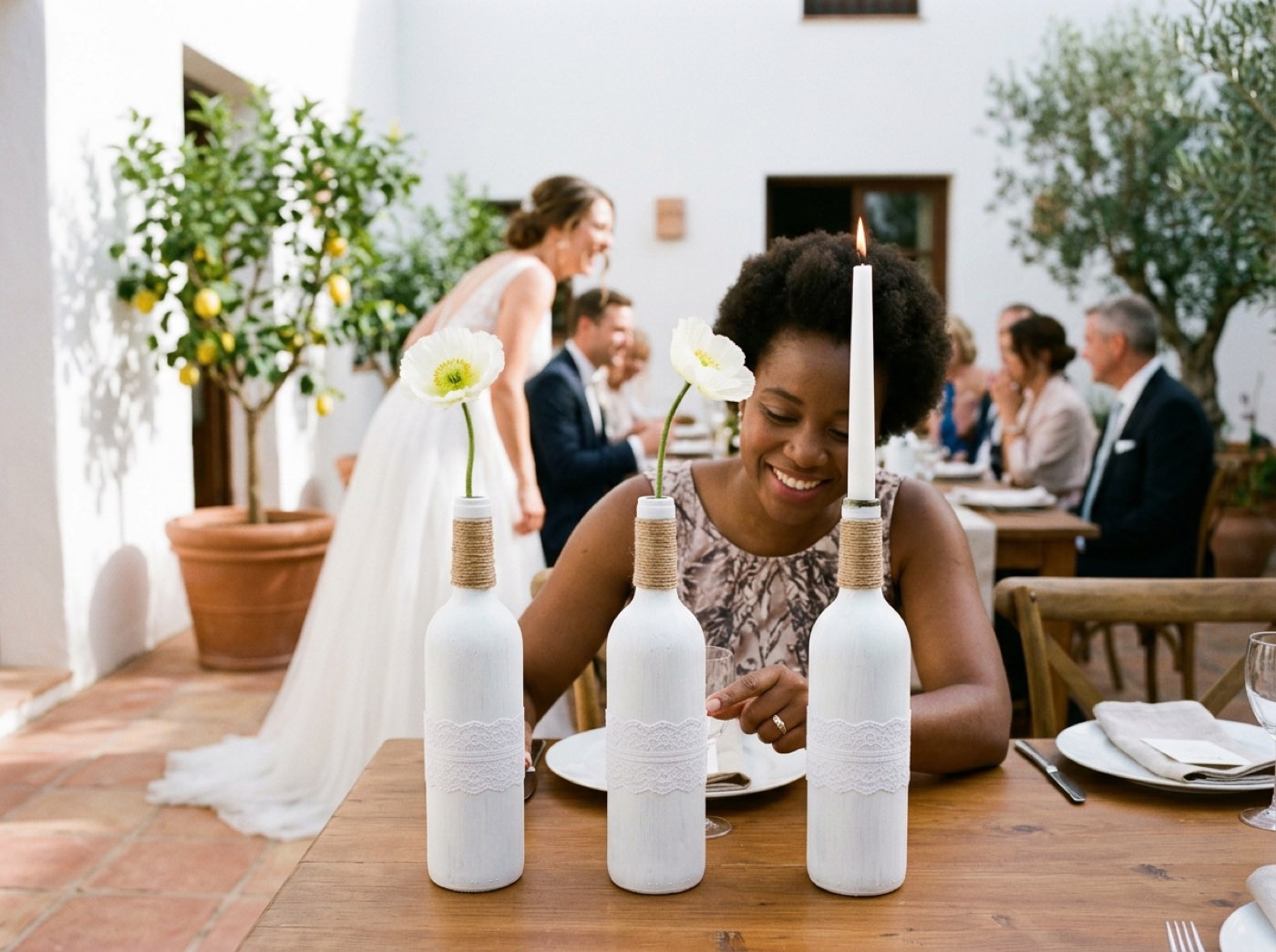
- Bottles with lace. Painted wine bottle centerpieces with twine and lace cost about $12.24 per table instead of $47 for a similar ready-made set. Ask the venue bar to save bottles for you.
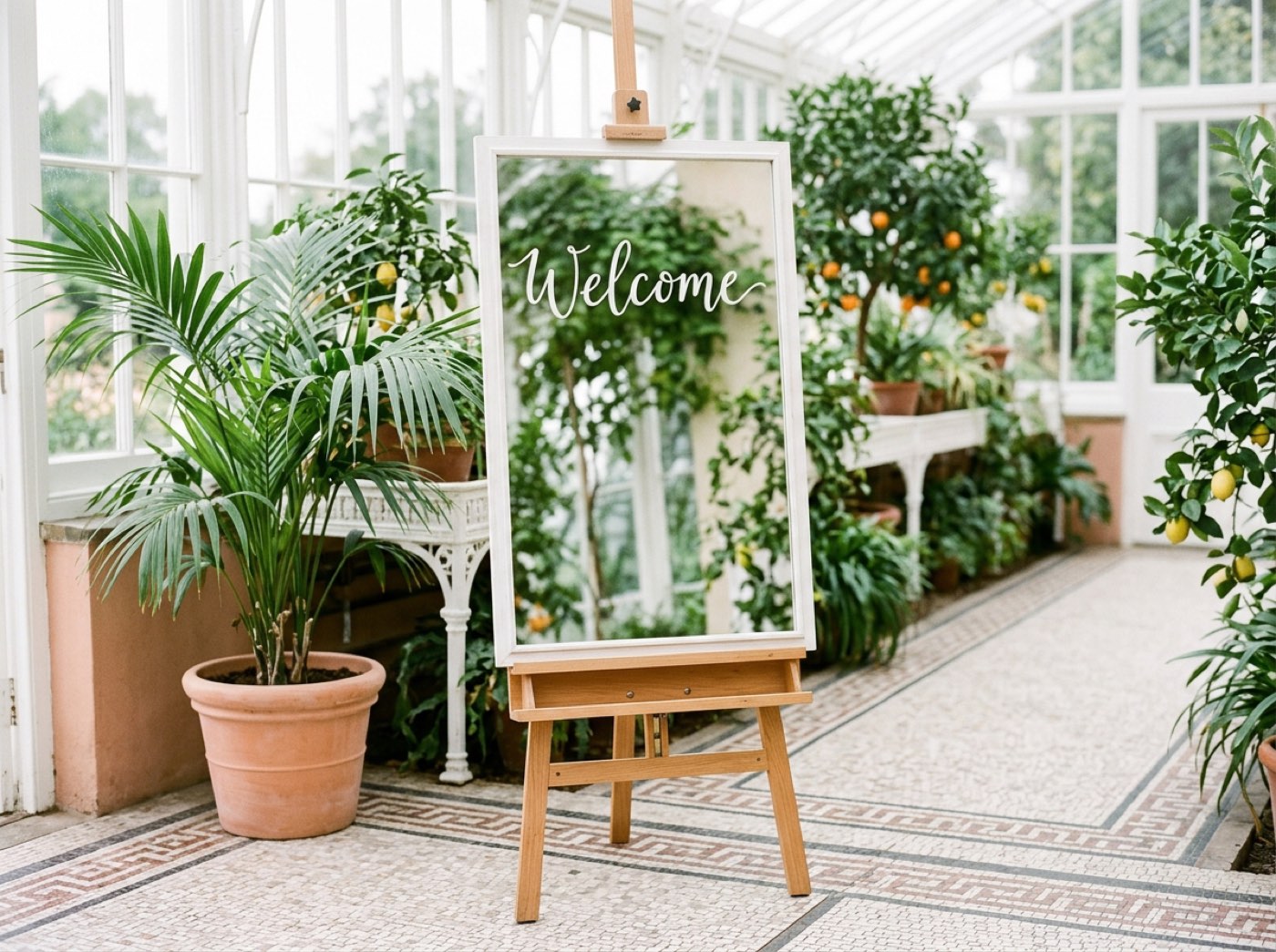
- An old mirror as a sign. Thrifted framed mirrors are everywhere. A mirror welcome sign costs about $40.93 to make, where a ready-made one runs about $282.
For more table ideas that mix found and made pieces, see our cheap wedding centerpiece ideas.
Vintage and secondhand dresses
The average wedding dress in the US now costs about $2,100 (The Knot). A true vintage dress or a gently used modern one in a vintage cut can cost a fraction of that.
A few honest things to know before you buy an old dress:
- Sizes run small. Old size labels rarely match today's sizes. Go by the measurements, never the label.
- Old fabric is fragile. Look for yellowing, small holes and weak seams under the arms. Hold it up to a window to spot thin areas.
- Budget for alterations. Older dresses often need a seamstress who knows vintage fabric, and that can cost more than altering a new dress.
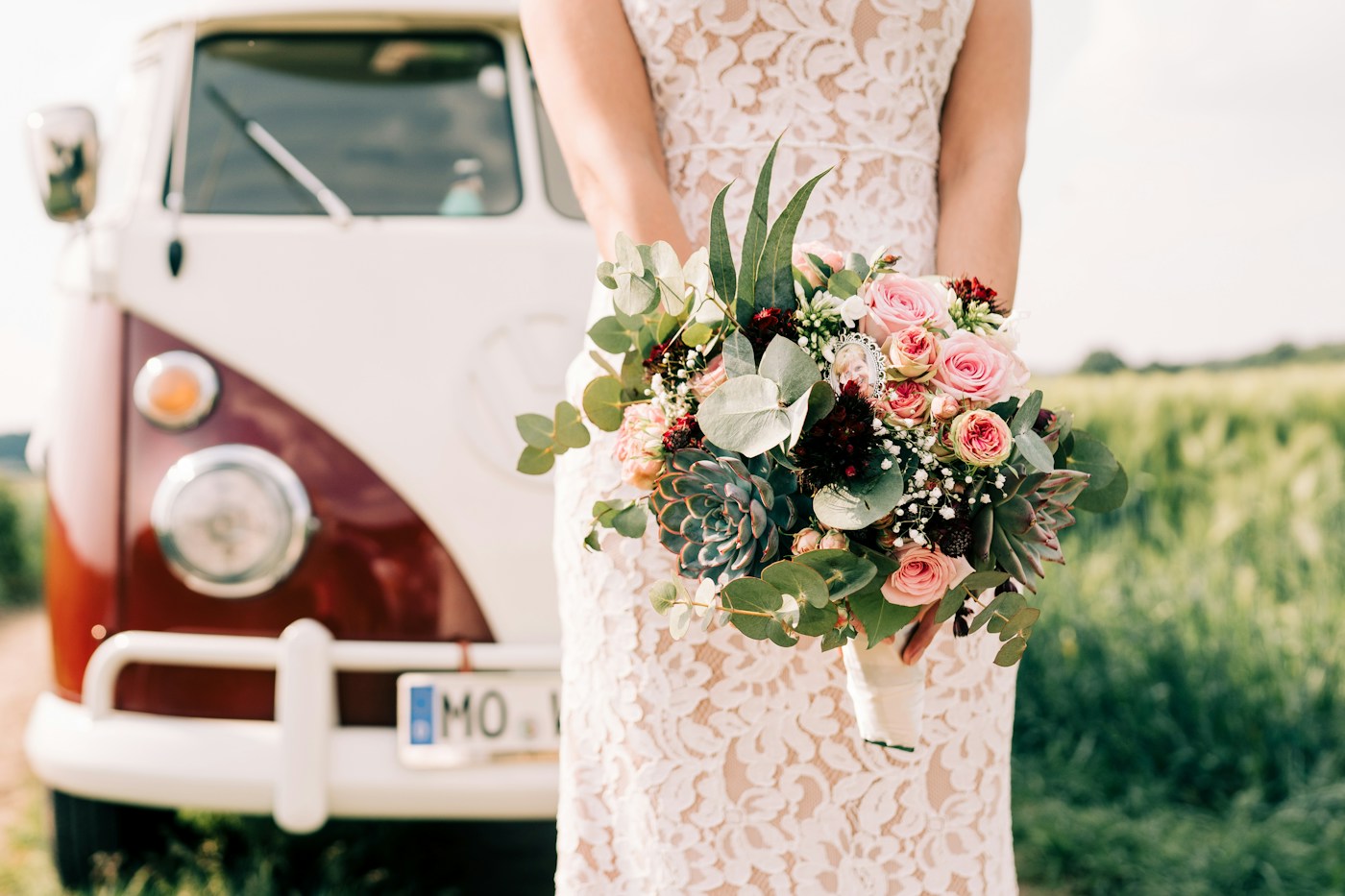
- Modern vintage-style is fine. A lace or satin dress in a 1950s or 1970s cut, bought secondhand, gives the same look without the fragility.
We cover where to look, what to check and how to avoid scams in our full guide to buying a used wedding dress.
Where vintage is NOT worth it
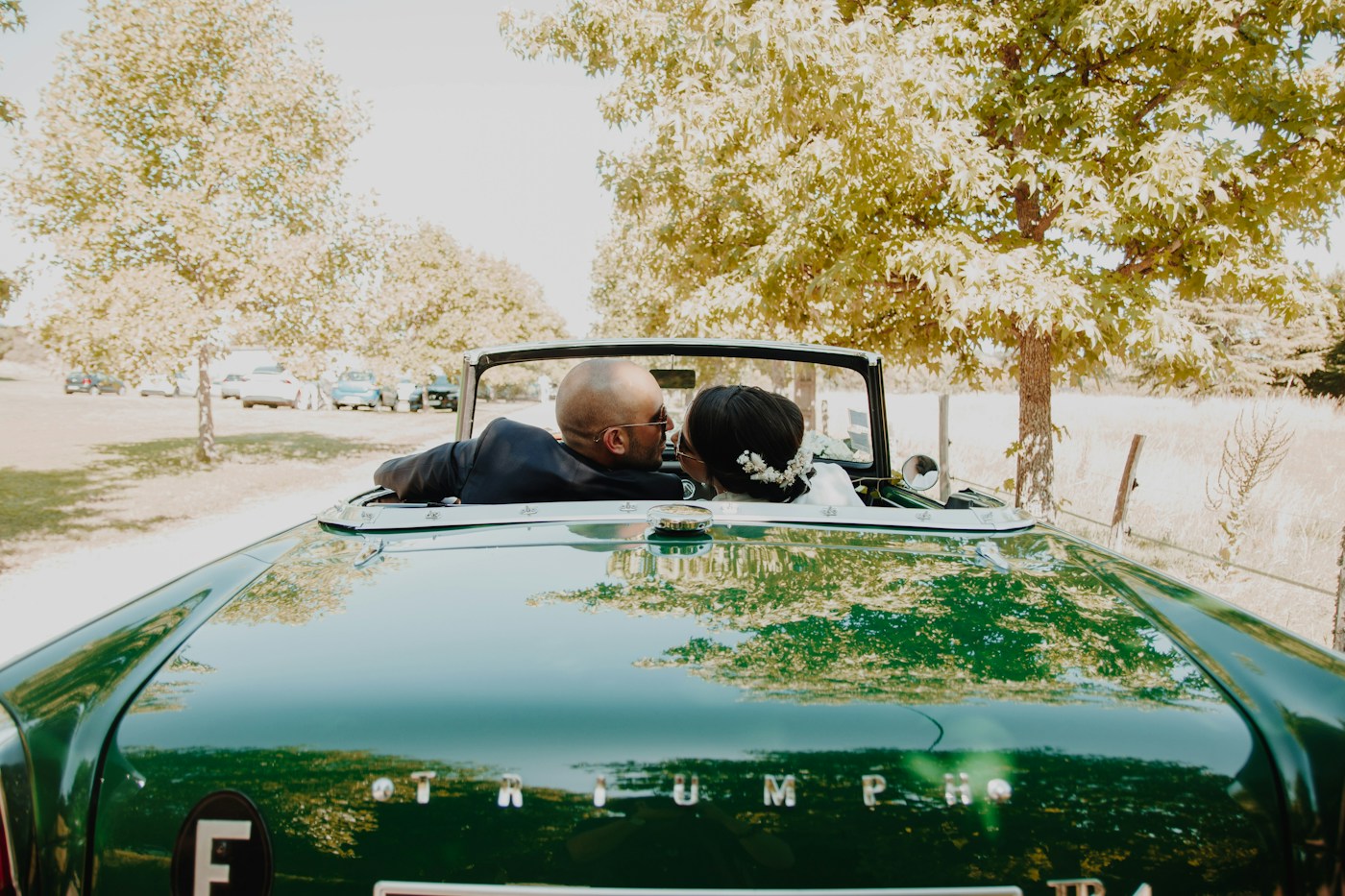
- Vintage cars. A borrowed classic car from a friend is lovely. A paid rental for one short drive rarely is. A great photo next to any old car you find at the venue gives the same feel.
- Real antique china for 100. Plates are heavy, chip easily and need proper washing. Mix a few vintage serving pieces with plain white plates instead.
- Buying everything at once. Rushed buying in the last month is how thrifting ends up costing more than renting. Start six months out and buy a little each trip.
Start with the glasses, since they are on every table, then pick your era and let it decide the rest.
Guides in this article

Unlock our complete DIY library
Free
- Cost and savings estimates for every project
- Materials lists to help you plan
- The “How much can you save?” overview
- New blog posts with inspiration and advice
A short list of the cheapest projects with the biggest savings. We email it to you.
Full access
$29
- Step-by-step instructions for every project
- Cost and quantity tables for 50, 100 or 150 guests
- Pro tips and common pitfalls to avoid
- Printable checklists to keep you on track
- Save your favorite projects
- New guides added every week
One payment, yours to keep. No subscription.