Wedding Budget Breakdown: Where the Money Really Goes and a Simple Split You Can Copy
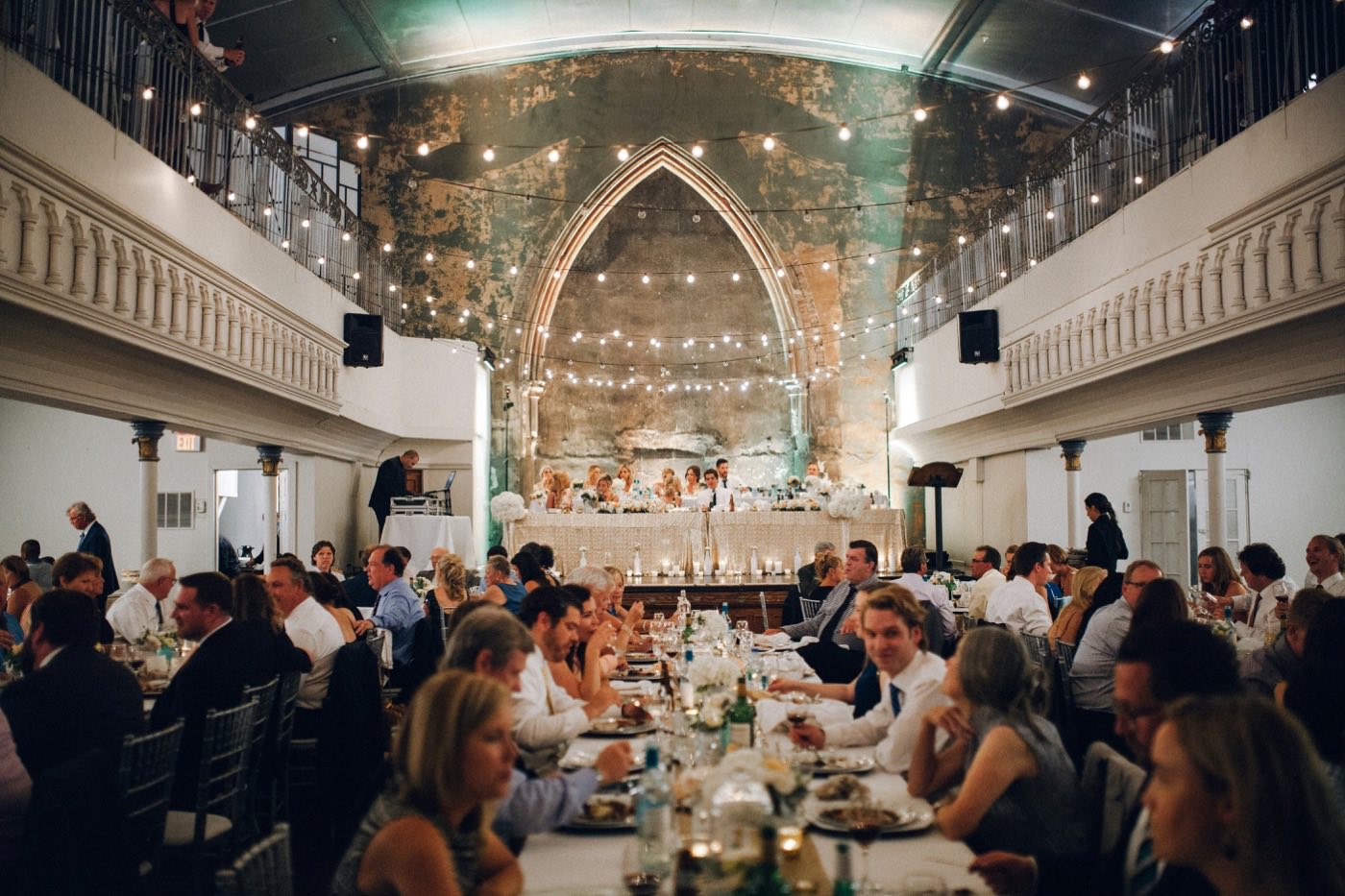
A typical wedding budget breakdown puts about a third of the money into the venue, a big slice into food and drink, and the rest into photos, music, clothes and decor. The average US wedding cost $33,000 in 2024, and the venue alone averaged $12,200 of that (FOX 5 / The Knot).
If those numbers made your stomach drop a little, take a breath. Averages include plenty of 200-guest ballroom weddings. Your budget only has to fit your wedding, and the order in which you make decisions matters much more than the final total.
The average wedding budget, line by line
Here is what US couples spent on the main items in 2024, according to The Knot's 2025 Real Weddings Study as reported by FOX 5 (FOX 5 / The Knot). The share column is our own math on those averages.
| Item | Average cost | Share of $33,000 |
|---|---|---|
| Venue | $12,200 | 37% |
| Photographer | $2,900 | 9% |
| Flowers | $2,700 | 8% |
| DJ | $1,700 | 5% |
| Catering | $80 per plate | grows with every guest |
At $80 a plate, catering for 100 guests is $8,000 before drinks, cake and service. Put that next to the venue and you can see why food and location together eat roughly half of most budgets.
The same report shows how much the guest list matters: weddings with under 50 guests averaged $15,000, while weddings with more than 100 guests averaged $42,000. That gap is bigger than anything you will save on decor, so it is worth looking at first.
A simple split you can copy
Percentages are easier to work with than averages, because they scale to your own total. This is the split we suggest as a starting point. It is not a rule, so move a few points around to match what you care about most.
- Venue and food together: 45 to 50 percent
- Photos and video: 10 to 12 percent
- Clothes, hair and rings: 8 to 10 percent
- Music: 5 to 7 percent
- Flowers and decor: 8 to 10 percent
- Stationery, favors and small extras: 3 to 5 percent
- Buffer for surprises: 10 percent
For a $15,000 wedding, that means about $7,000 for the venue and food, around $1,650 for photos, about $1,350 for flowers and decor, and $1,500 kept back as a buffer. Please do write that buffer down as its own line. Something always comes up, whether it is a cake cutting fee, tips for the staff or a few extra cousins who were not on the first list.
Where the big money goes, and how to shrink it
Guest count comes first
Every extra guest adds a plate, a chair, a drink, a favor and a bit more venue. Taking 20 people off the list at $80 a plate saves $1,600 on catering alone, before you count drinks and rentals. Settle the guest list before you sign any contract, because most quotes are built on it.
Venue and food
Ask every venue for its Friday, Sunday and off-season prices, and ask exactly what is included. Tables, chairs, linens, a sound system or a few lanterns can each save you a rental bill. For food, a buffet or family-style meal is often cheaper than plated service, and a short drinks list (beer, wine and one signature drink) costs far less than a full bar.
Photographer
This is one line we would protect. Photos are the thing you keep, and a stressed, rushed photographer is hard to fix later. If the quote is too high, cut hours instead of quality: coverage from the ceremony to the first dance catches the moments most couples care about.
Where DIY really cuts the budget
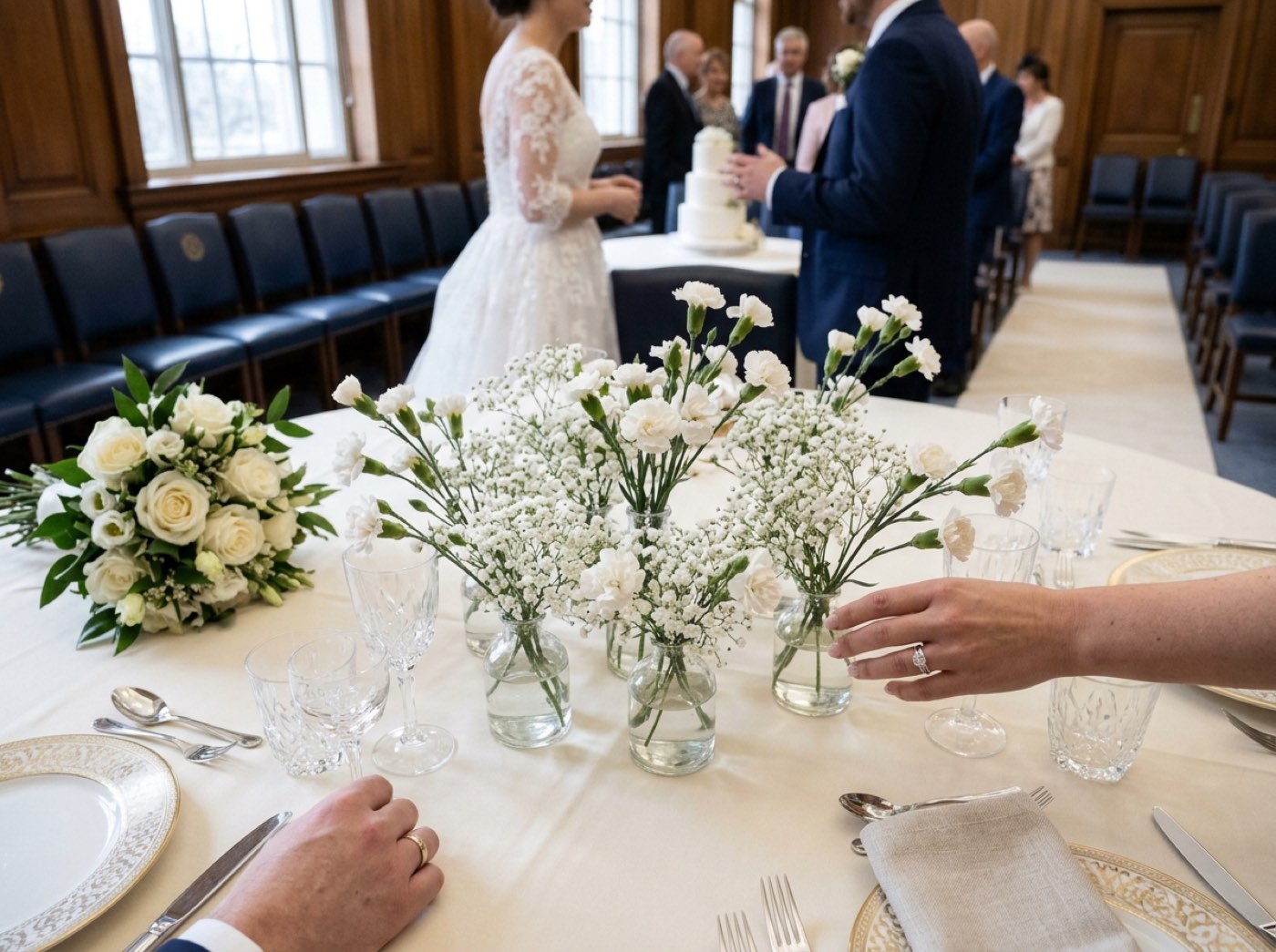
Decor is where your own hands make the biggest difference, because most of what you pay for ready-made decor is labor. Florist centerpieces usually run $75 to $150 per table, against about $20 to $50 for simple DIY versions (Paperlust).
Here is what a set of table and party pieces costs for 100 guests (13 tables of 8) with our guides, using prices we checked on 26 October 2026:
| Item | DIY cost | Ready-made | You save |
|---|---|---|---|
| Grocery store table flowers, 13 tables | $212.81 | $649.87 | $437.06 |
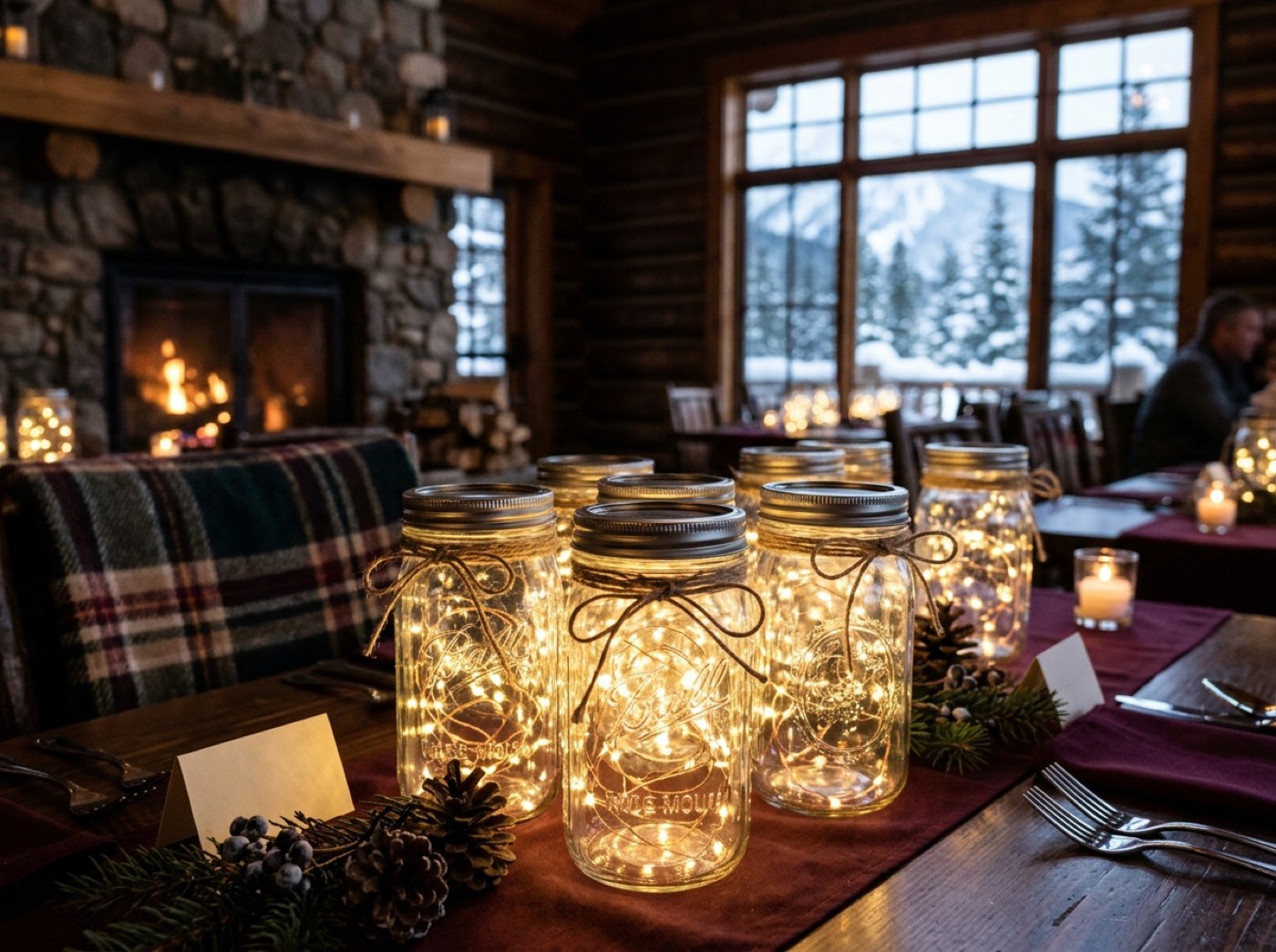
| Fairy light jars, 25 | $41.25 | $89.50 | $48.25 |
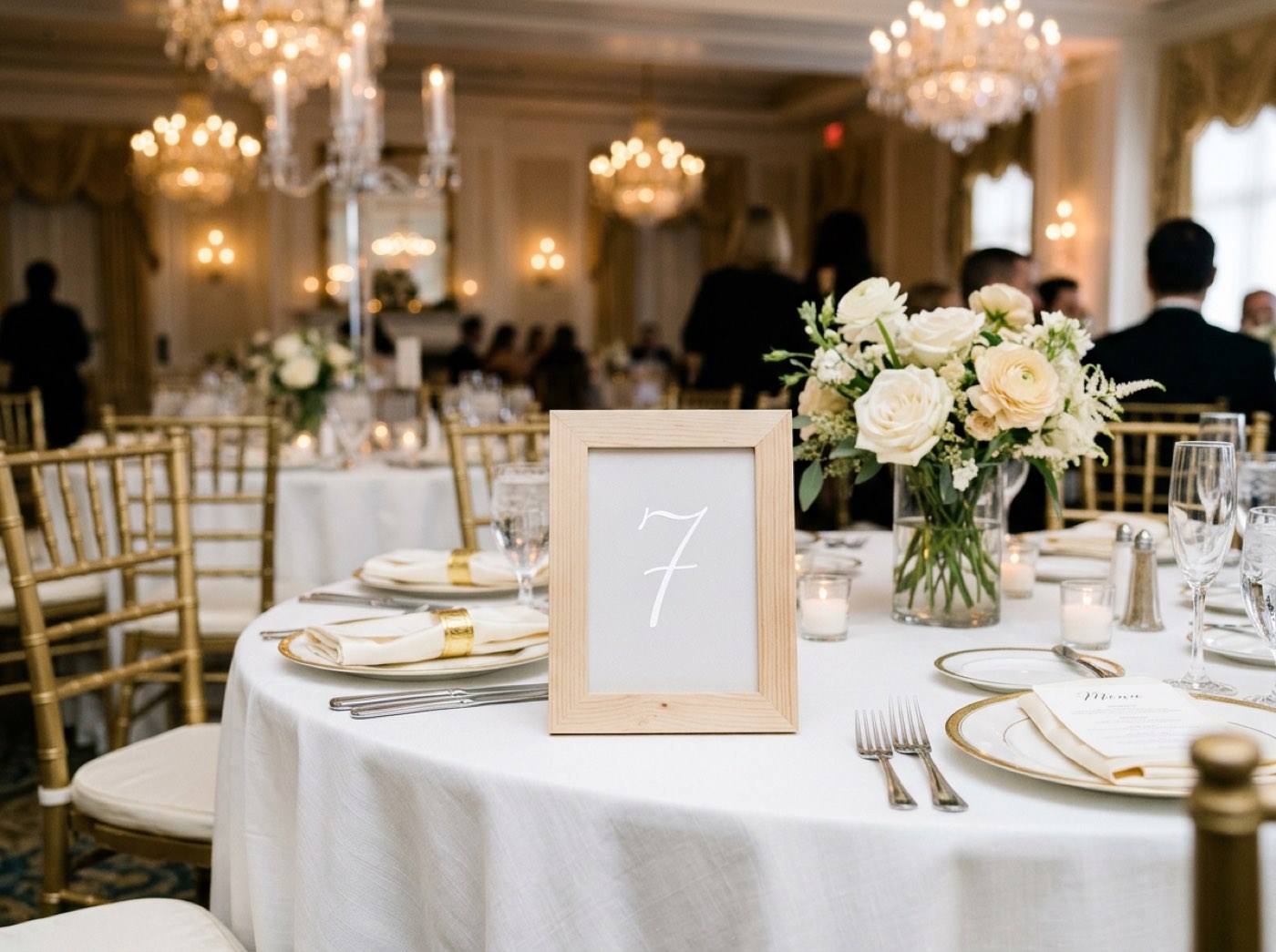
| Table numbers, 13 | $17.03 | $103.35 | $86.32 |
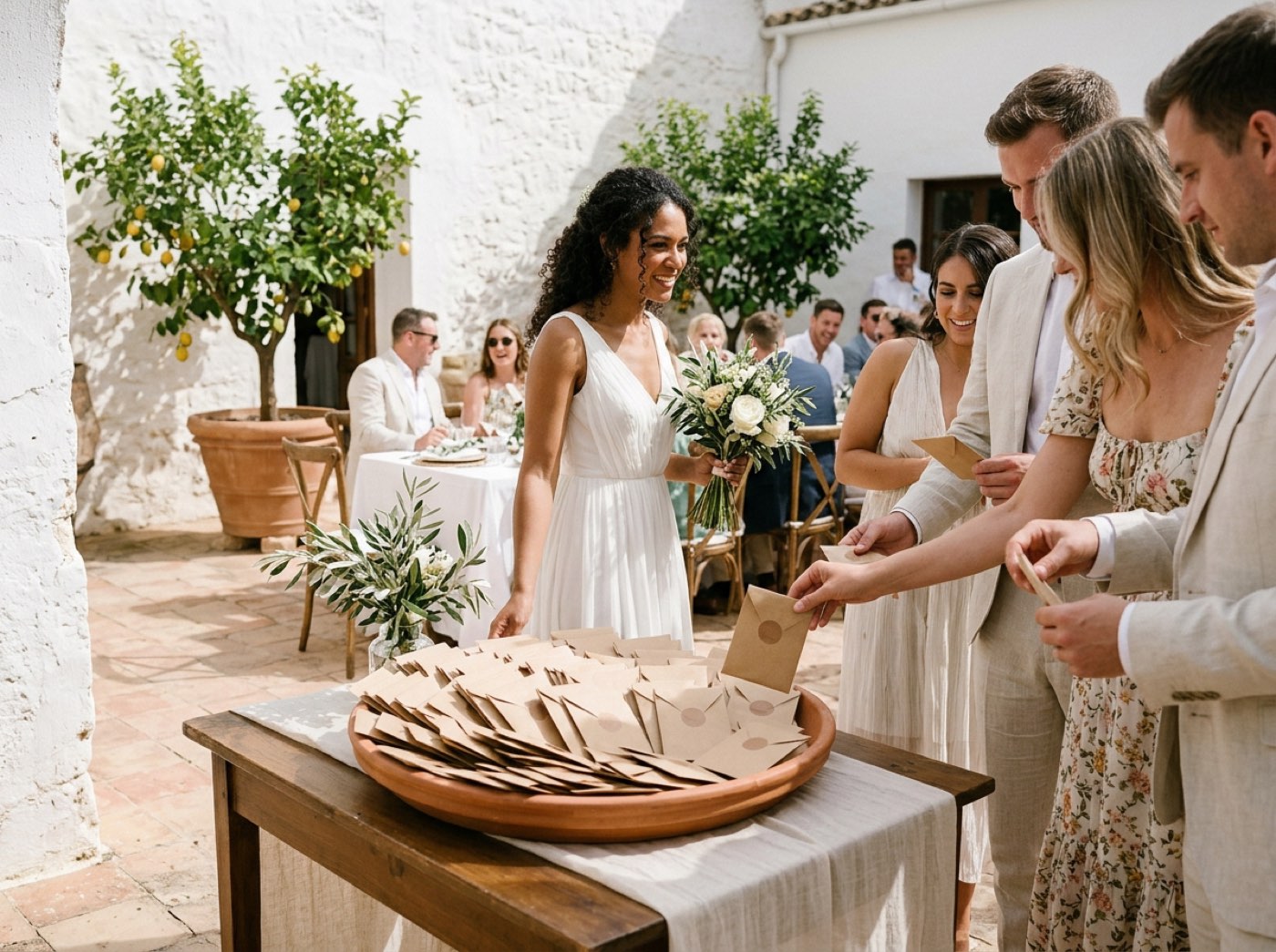
| Seed packet favors, 100 | $12.00 | $239.00 | $227.00 |
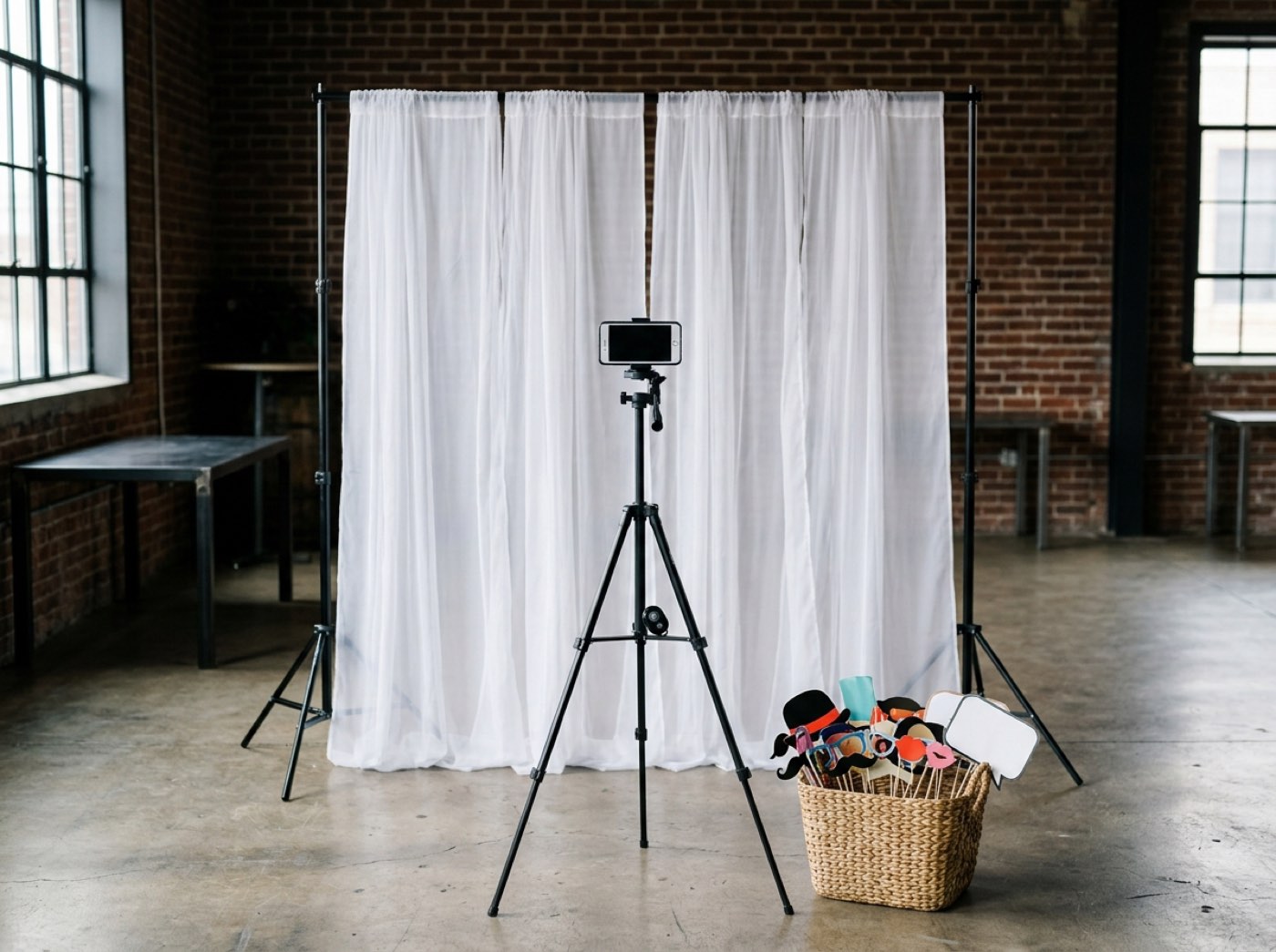
| Photo booth backdrop | $98.44 | $129.00 | $30.56 |
| Total | $381.53 | $1,210.72 | $829.19 |
A few honest notes:
- Flowers and favors do the heavy lifting. Together they save over $660. If you only have time for two projects, start there.
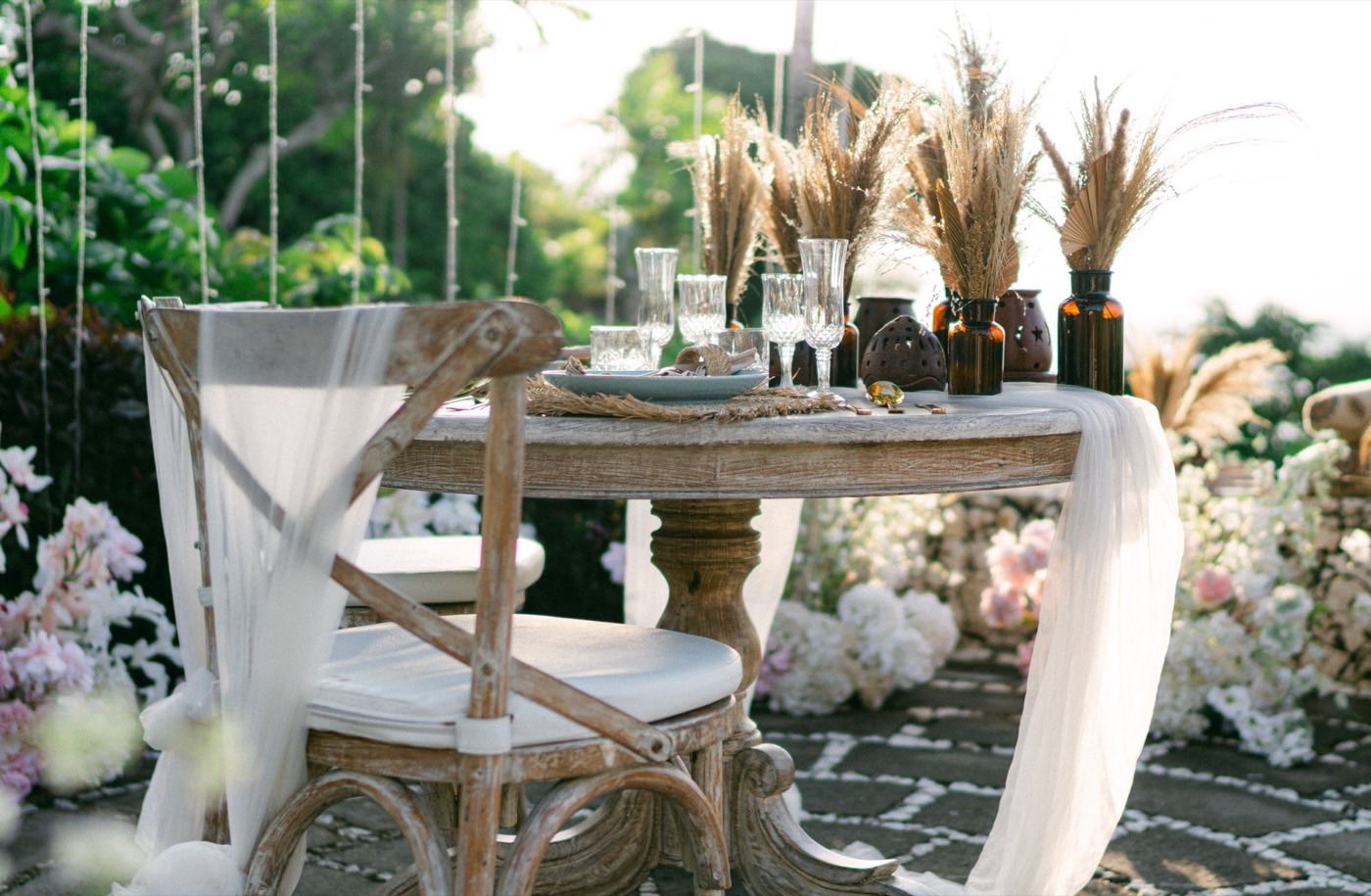
- Want even cheaper tables? Pampas grass centerpieces cost $4.90 a table and can be made weeks ahead, since nothing wilts.
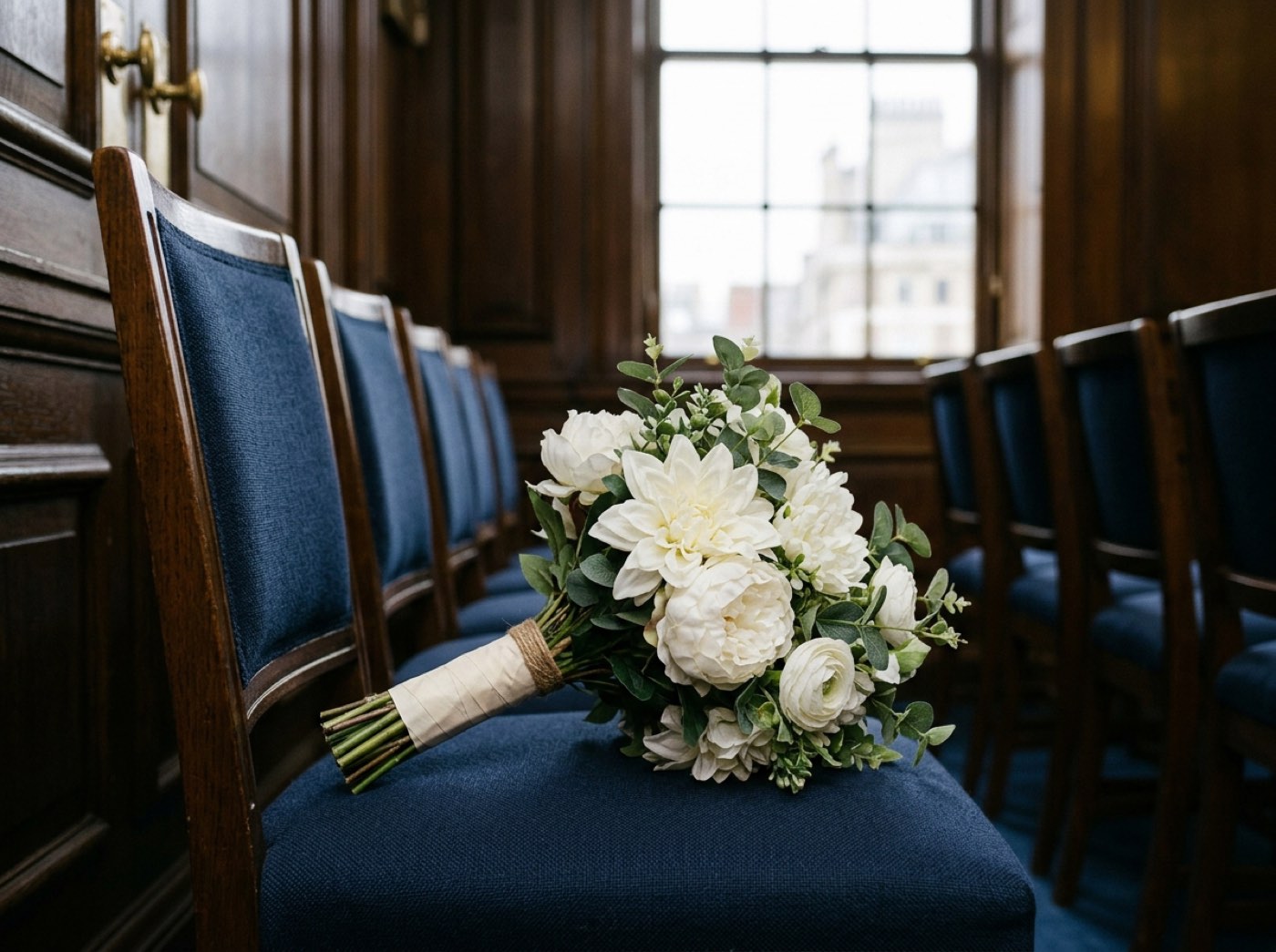
- Not every project pays. A faux flower bridal bouquet costs $30.06 to make against $39.99 to buy. Make it because you enjoy it, not to save money.
Where not to cut
Some savings come back to bite you. Keep enough food and drink for everyone, especially if the party runs late. Keep the photographer. Keep someone in charge on the day, whether that is a paid coordinator or a calm, organized friend who is not also giving a speech. And keep the buffer, because the weeks before a wedding are the worst time to find $800.
DIY is also not worth it for anything that has to happen on the morning itself and needs skill: hair, makeup, the cake and cooking for 100 people. Those jobs are better left to someone who is not getting married that day.
Build your own breakdown in one evening
- Pick a total you can pay without debt. Savings, family help and what you can put aside each month until the date.
- Take 10 percent off the top as your buffer and pretend it does not exist.
- Fix the guest count, at least within 10 people.
- Apply the other percentages above to your total and write a number next to each line.
- Get three quotes for your three biggest lines (usually venue, food and photos) before you book anything.
- Track planned against actual in a simple spreadsheet. When one line goes over, take the money from another line, not from the buffer.
That is all a wedding budget breakdown really is: a list of promises to yourselves about where the money goes. Once the big lines are settled, the small ones get much easier, and the DIY projects become the fun part instead of a rescue plan.
Guides in this article
Unlock our complete DIY library
Free
- Cost and savings estimates for every project
- Materials lists to help you plan
- The “How much can you save?” overview
- New blog posts with inspiration and advice
A short list of the cheapest projects with the biggest savings. We email it to you.
Full access
$29
- Step-by-step instructions for every project
- Cost and quantity tables for 50, 100 or 150 guests
- Pro tips and common pitfalls to avoid
- Printable checklists to keep you on track
- Save your favorite projects
- New guides added every week
One payment, yours to keep. No subscription.
More tips & articles
- DIY Wedding Planning Timeline: What to Do When, Month by Month, Including Every Craft Project
- Wedding on a $5,000 Budget: A Real Split for 40 Guests and What to DIY
- Boho Wedding Ideas on a Budget: The Look, the Real Costs and a $512 Decor Plan for 100 Guests
- Cheap Wedding Rings: An Honest Guide to Metals, Real Prices and Resizing