How to Save Money on a Wedding: 18 Ways That Actually Add Up
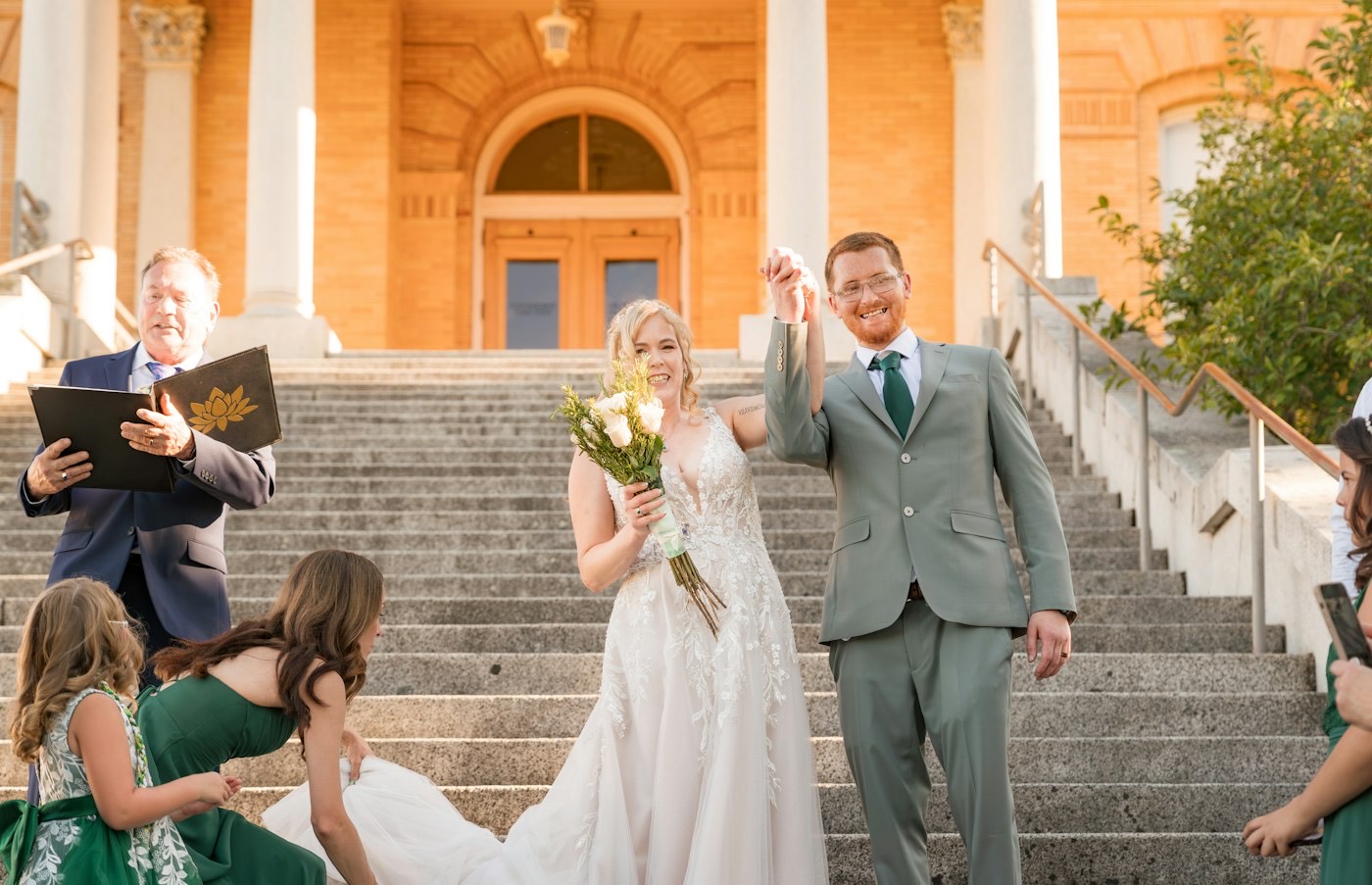
The fastest way to save money on a wedding is to cut guests, because almost every other cost grows with the headcount. After that, the big wins are the venue, the date and a handful of vendor choices, while DIY decor saves real but smaller amounts.
For scale: the average US wedding cost $33,000 in 2024, according to The Knot's 2025 Real Weddings Study (FOX 5 / The Knot). Couples spent $12,200 on the venue, $80 per plate on catering, $2,900 on a photographer, $2,700 on flowers and $1,700 on a DJ. Nearly half said their first budget fell short. The ideas below are ordered roughly by how much they move that total.
Start with the numbers that matter most
1. Cut the guest list first
The Knot found that weddings with fewer than 50 guests cost $15,000 on average, while weddings with more than 100 guests averaged $42,000 (FOX 5 / The Knot). That gap is bigger than any decor trick. At $80 a plate, dropping 20 guests saves $1,600 on food alone, before drinks, chairs, favors, invitations and table decor.
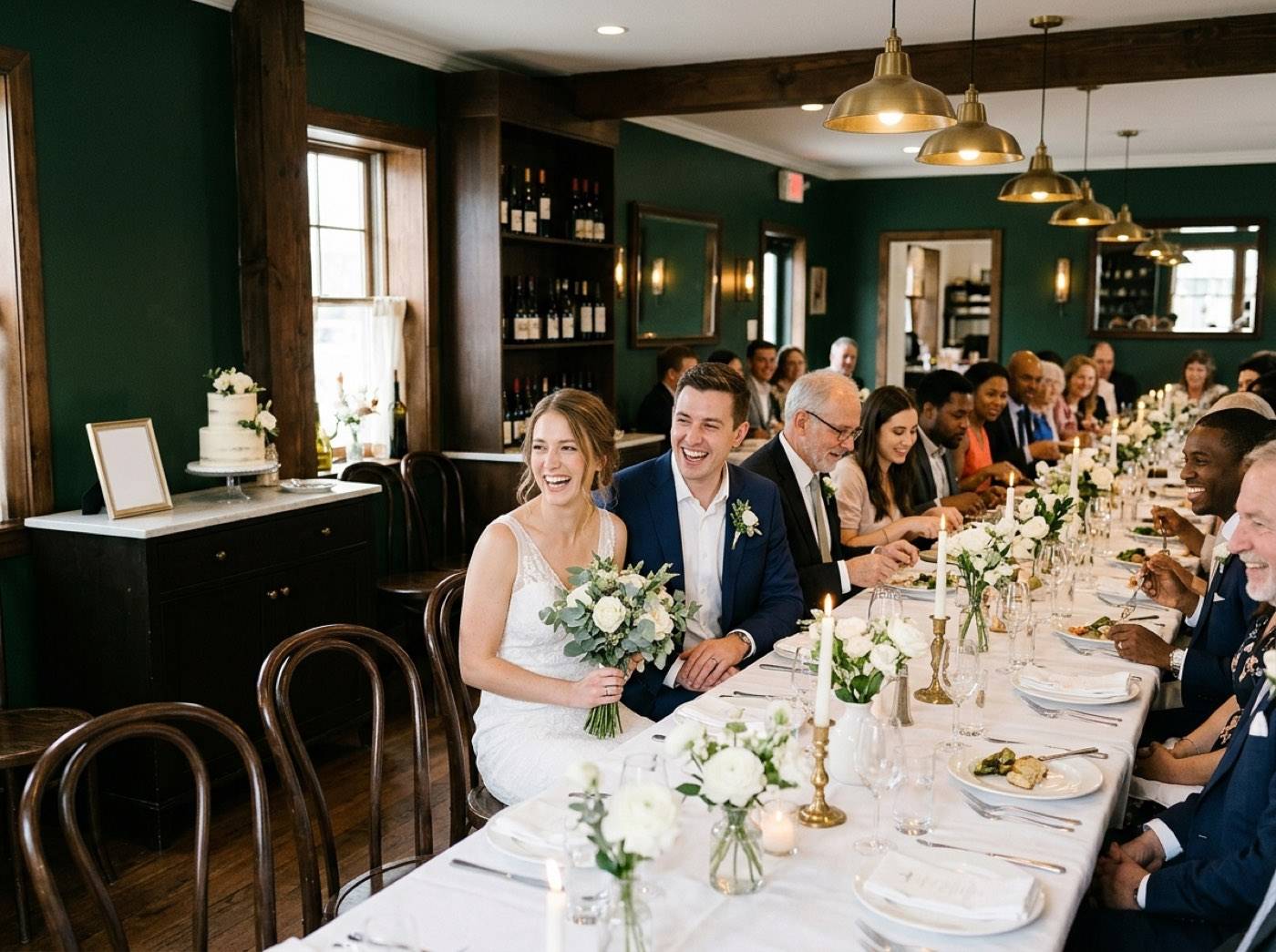
A simple rule helps: if you would not have dinner with this person in the next year, they probably do not need a seat.
2. Pick a cheaper venue type
The venue is the single biggest line at $12,200 on average. Ask about parks, community halls, a family member's large backyard, a brewery's private room or a restaurant that does buyouts. Restaurants often include tables, chairs, linens and staff, which removes three or four rental invoices at once.
3. Get married off-peak
Fridays, Sundays and the months outside peak season are where venues have empty dates to fill. Ask each venue for their off-peak rate in writing and compare it to their Saturday rate. Even when the price list looks fixed, an empty date is a good reason to negotiate.
4. Look at where you live, or where you could marry
State averages range widely: about $18,000 in Utah and $19,000 in Iowa, against $57,000 in New Jersey and $51,000 in Rhode Island (FOX 5 / The Knot). If one side of the family lives in a cheaper region, holding the wedding there can save more than every other tip on this list combined.
5. Hold the ceremony and reception in one place
One venue means one rental fee, no transport between sites and no awkward gap for guests. It also saves on a second round of decor.
Food and drink
6. Change the meal format, not just the menu
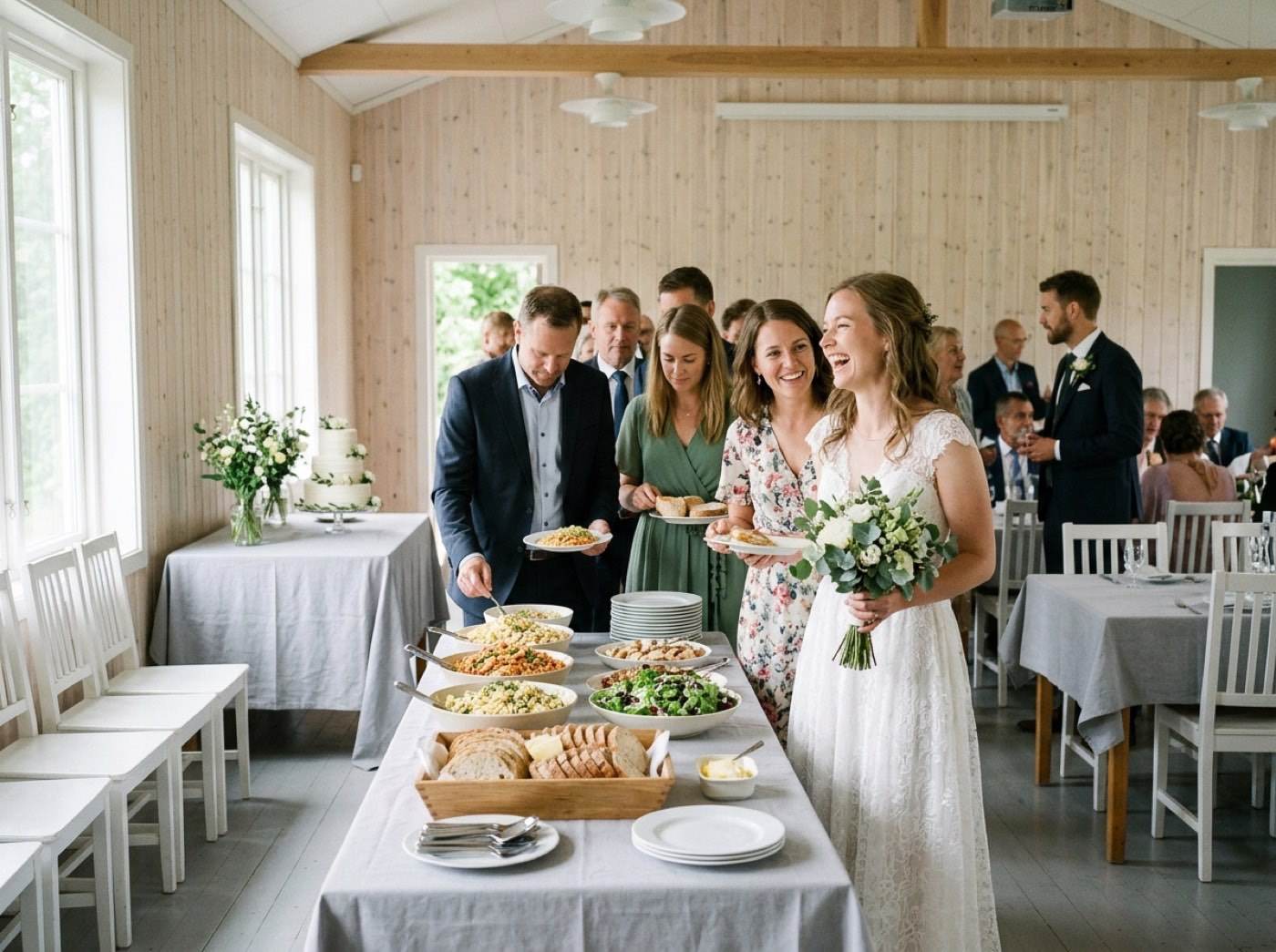
A plated three-course dinner needs more staff than a buffet, family-style platters or a taco or barbecue truck. Ask your caterer to price the same guest count in two or three formats. A lunch or brunch reception is usually cheaper than dinner and people drink less.
7. Limit the bar
A full open bar for five hours adds up fast. Beer, wine and one signature cocktail covers most guests. If your venue allows it, buying your own wine and paying a corkage fee is often cheaper than their per-head package.
8. Skip the multi-tier cake
Order a small cake for the cutting and serve sheet cake from the kitchen, or replace cake with a dessert table from a local bakery. Guests rarely notice which slice came from where.
Vendors
9. Book a photographer for fewer hours
At $2,900 on average, photography is worth paying for, but you may not need full-day coverage. Ceremony, family photos, portraits and the first hour of the reception is enough for most couples. Ask for a shorter package rather than a discount.
10. Use a DJ or a playlist, not a band
The average DJ costs $1,700. For a small wedding, a good speaker, a carefully built playlist and one reliable friend can replace the DJ entirely. Keep a pro if you want someone to run announcements and read the room.
11. Spend less on flowers by using fewer, bigger ones
Flowers average $2,700. Ask your florist for in-season blooms, more greenery, and fewer arrangements. Reuse ceremony arrangements at the reception: the aisle flowers can go on the sweetheart table or the bar.
12. Rent, borrow or buy secondhand attire
Sample sales, rental services and resale sites all sell wedding dresses and suits that were worn once or not at all. Budget for alterations either way.
13. Send digital invitations
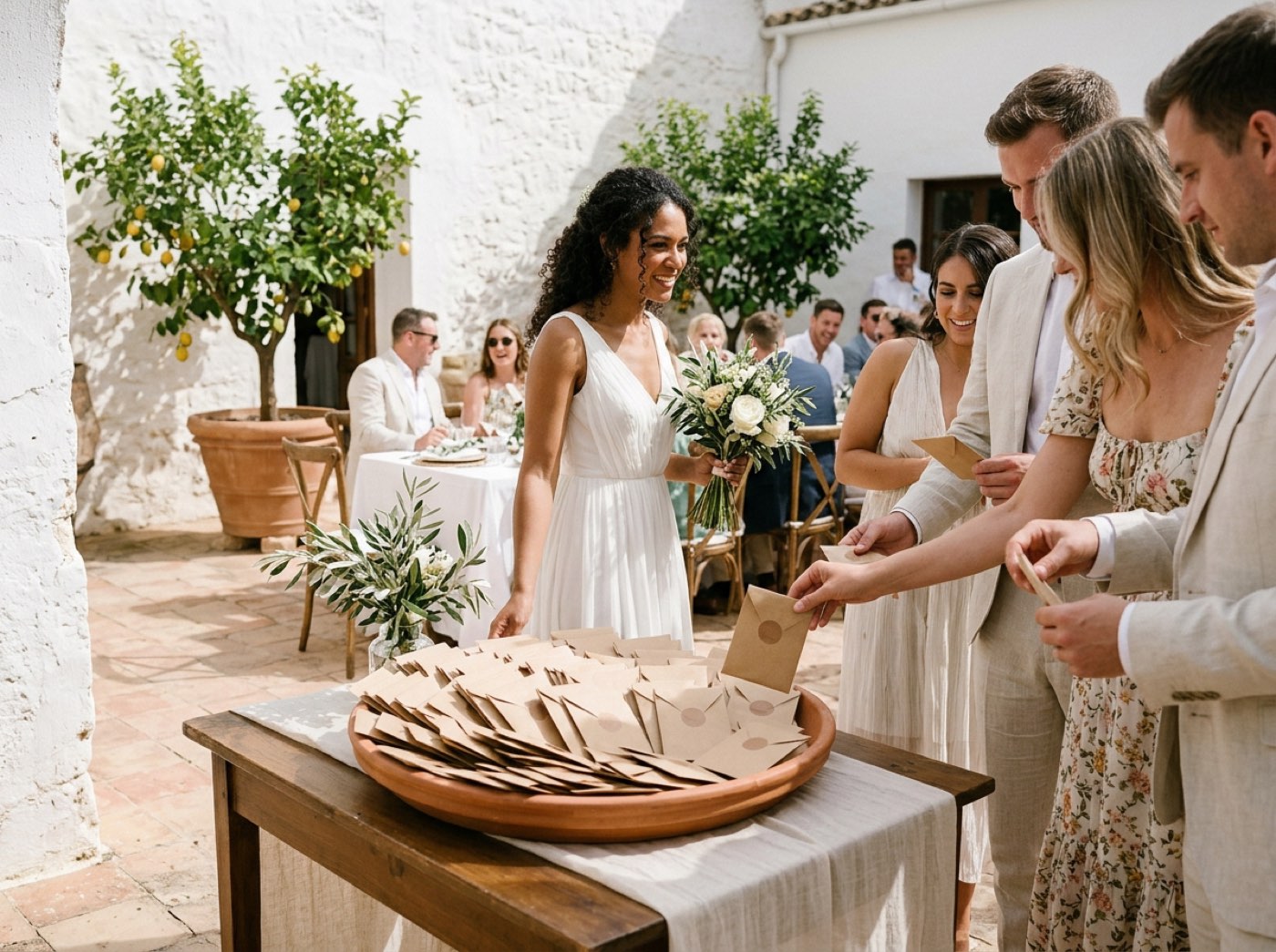
A wedding website plus digital save-the-dates and invites removes printing and postage. Print a small batch only for older relatives who want a paper card.
Decor and DIY: where it pays and where it does not
DIY works best for items you need many of, that are simple to make, and that can be done weeks ahead. Here are real numbers from our own guides, priced at US stores for 100 guests:
| Project | What you save for 100 guests |
|---|---|
| Mini honey jar favors | $365.00 |
| Wildflower seed packet favors | $227.00 |
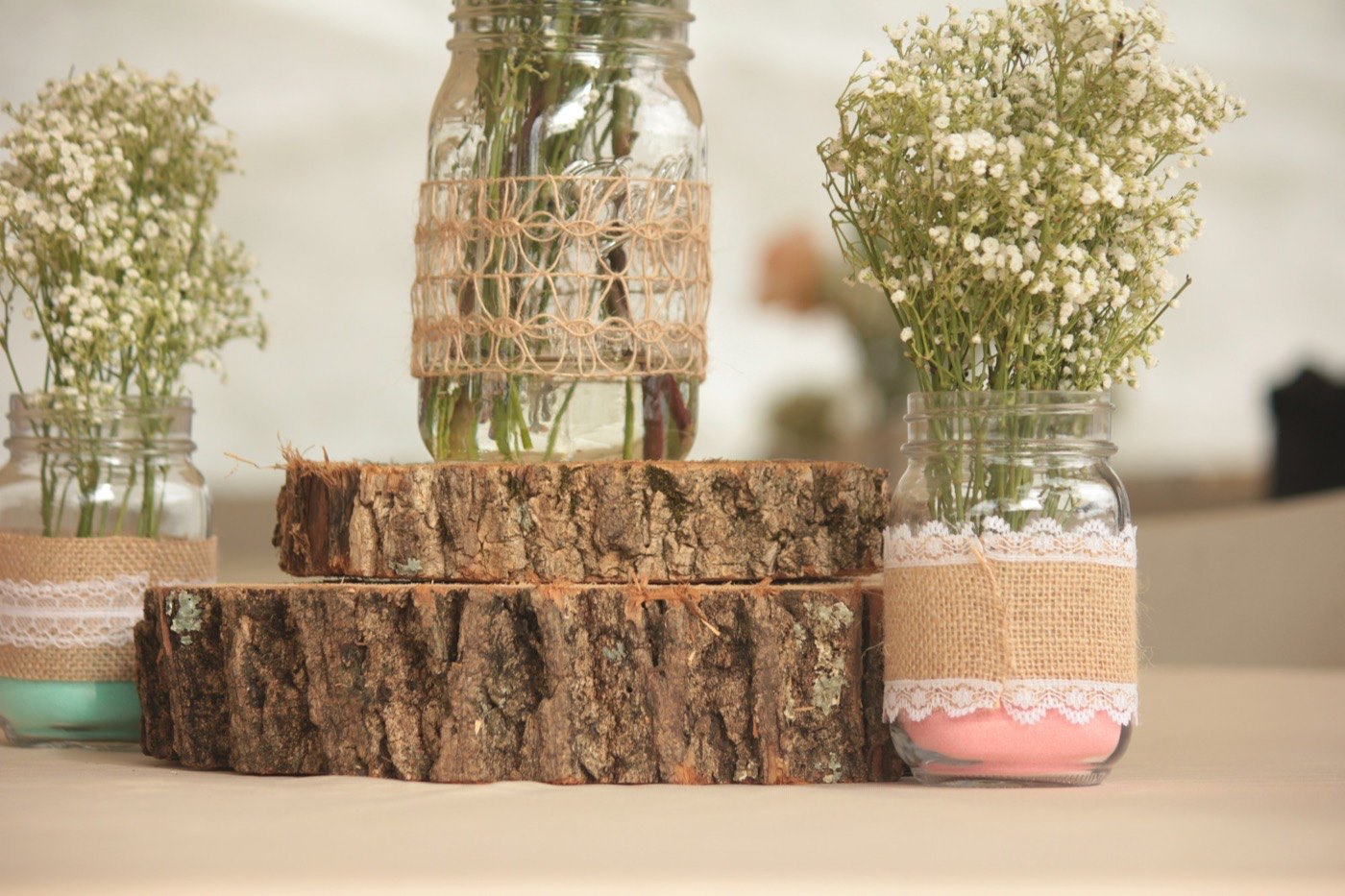
| Mason jar centerpieces | $178.62 |
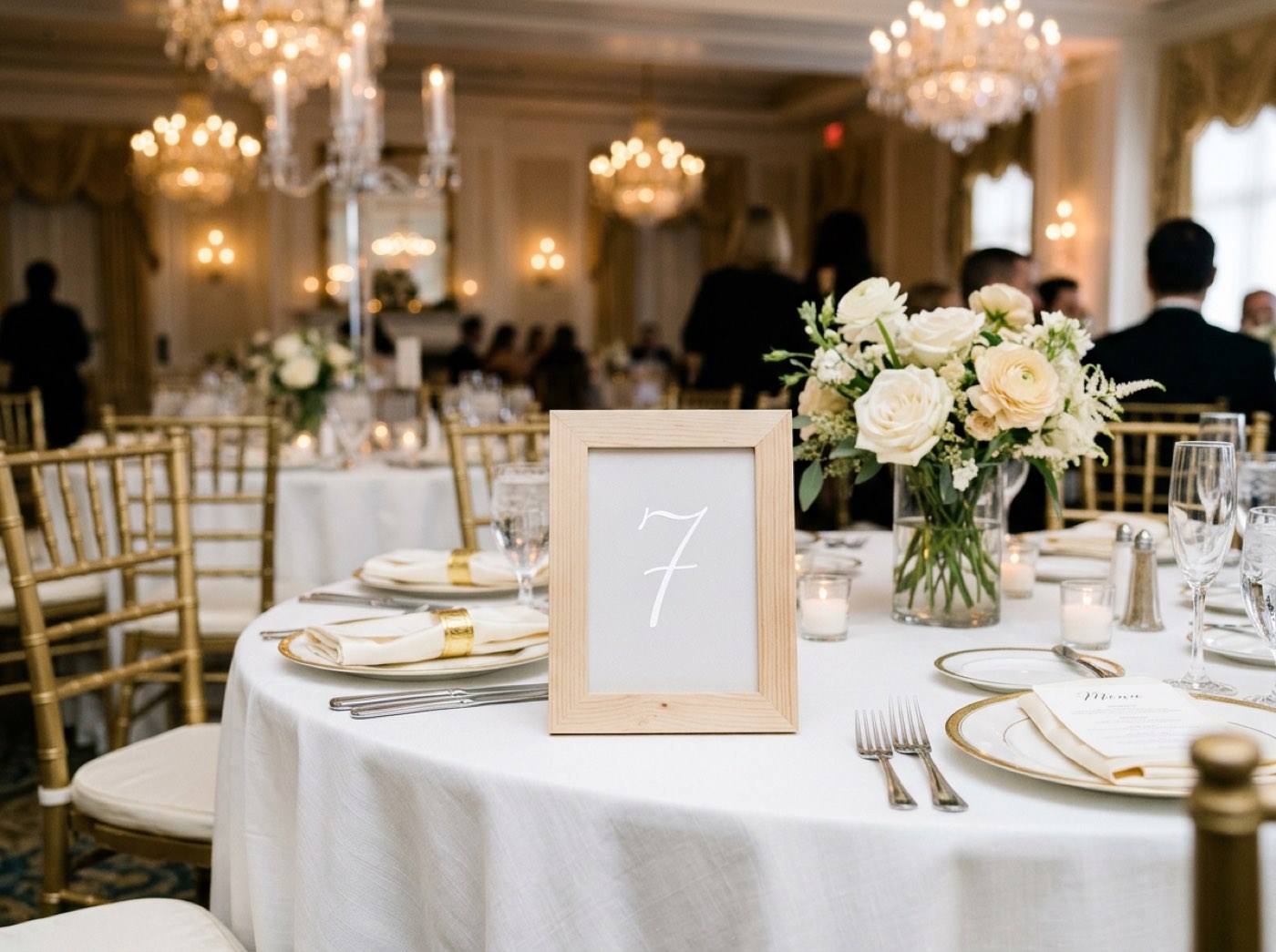
| Table numbers in photo frames | $86.32 |
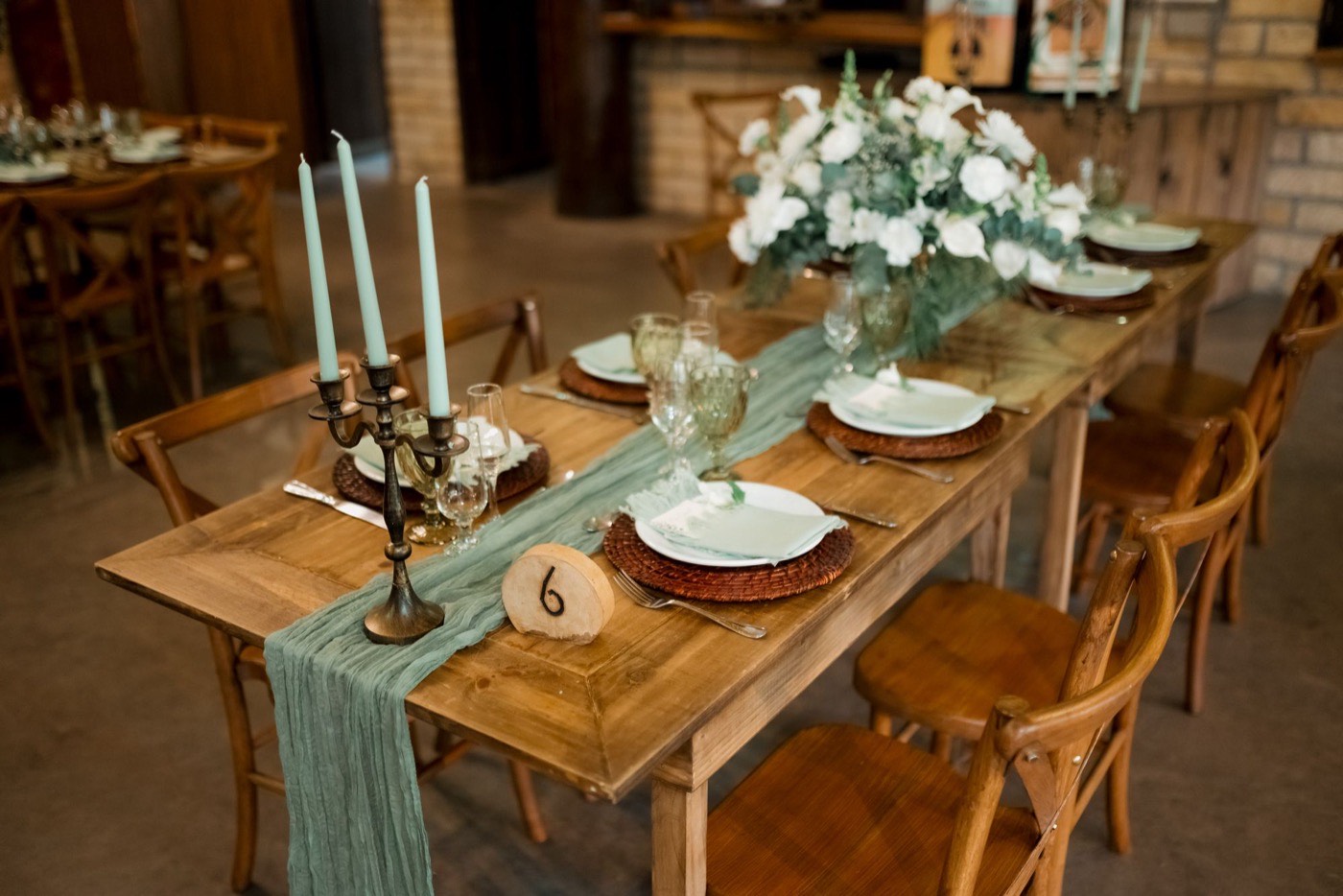
| Cheesecloth table runners | $52.52 |
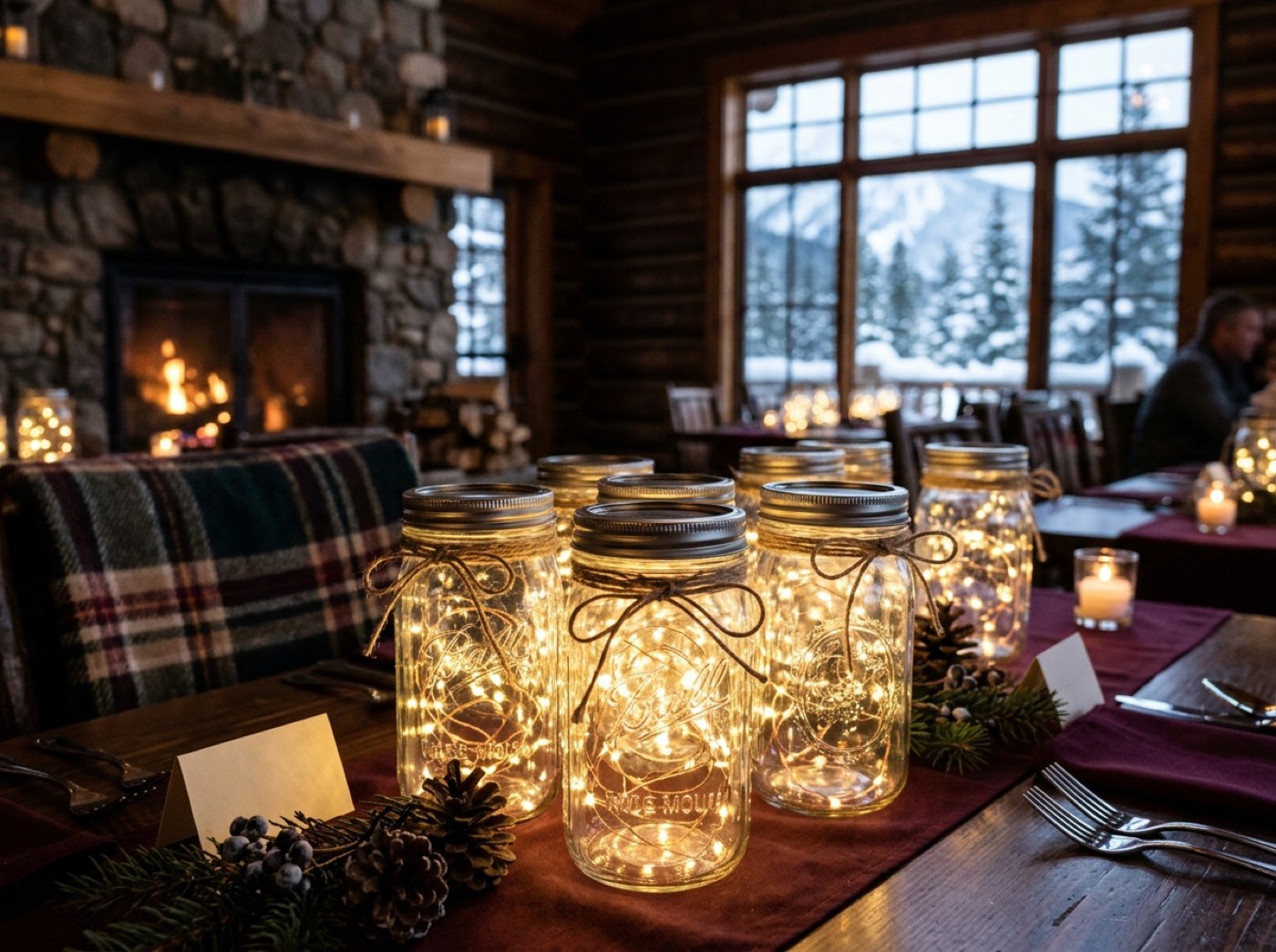
| Fairy light jars | $48.25 |
14. Make your own favors
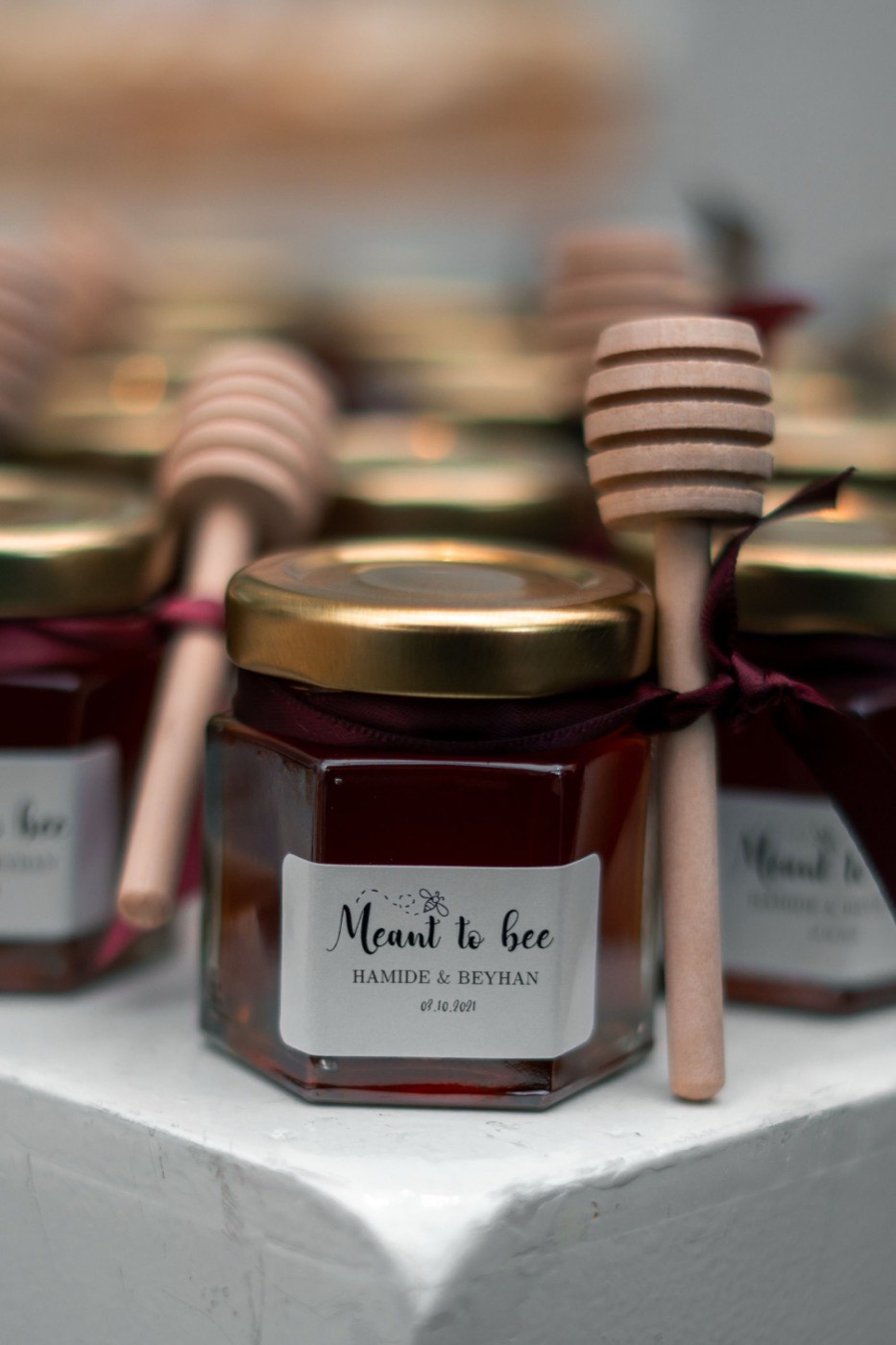
Favors are one per guest, so small savings multiply. The seed packet favors cost about $0.12 each to make against $2.39 to buy ready-made. If you would rather give something edible, honey jars save more in total but take longer to fill and label.
15. Make the centerpieces in one weekend
The mason jar centerpieces cost $10.25 per table against $23.99 for a ready-made set. Most of that cost is fresh baby's breath, so the jars and lace can be done a month ahead and the flowers added two days before. Pair them with fairy light jars and a cheesecloth runner and the tables are finished.
16. Do the small paper items yourself
Table numbers in cheap frames cost $1.31 each against $7.95 for a printed set. They also double as decor you can keep or resell.
What is NOT worth doing yourself
Be honest about time. All six projects above together save less than $1,000 for 100 guests, while cutting 20 guests saves $1,600 on catering alone. DIY is a good second step, not the first one.
Skip DIY for:
- Catering. Feeding 100 people needs a commercial kitchen, food safety and staff. Asking relatives to cook usually means they miss the wedding.
- Photography. You only get one chance, and the $2,900 average buys experience with bad light and fast moments.
- The wedding cake. Tiered cakes need structure, transport and a cool room. Buy it.
- Hair and makeup on the day, unless you already do your own every week and have practiced the exact look.
- Your bouquet, if you want fresh flowers. Our faux flower bouquet only saves $9.93 against a store-bought one, so it is worth making for the fun of it or as a keepsake, not for the money.
- Anything that has to be done the morning of the wedding. You will not have the time.
Money habits that protect the budget
17. Set a total, then split it by category
Decide what you can spend before you look at venues. Write down the three things you care about most and give those more money. Everything else gets a fixed cap. This is the easiest way to avoid becoming one of the nearly half of couples whose budget ran short.
18. Track every deposit and add a buffer
Keep one shared spreadsheet with every quote, deposit and due date, and hold back part of the budget for surprises like service charges, tips, overtime and extra rentals. Read every contract for gratuity and service fees before you sign, since they are often added on top of the per-plate price.
The short version
- Cut guests first.
- Choose a cheaper venue type and an off-peak date.
- Simplify food, bar and cake.
- Keep the professionals for photos and catering, and trim their hours instead.
- DIY the things you need many of: favors, centerpieces, table numbers.
Start with the guest list this week. Then pick two DIY projects from the table above and make a test piece before you buy materials for 100.
Guides in this article
Unlock our complete DIY library
Free
- Cost and savings estimates for every project
- Materials lists to help you plan
- The “How much can you save?” overview
- New blog posts with inspiration and advice
A short list of the cheapest projects with the biggest savings. We email it to you.
Full access
$29
- Step-by-step instructions for every project
- Cost and quantity tables for 50, 100 or 150 guests
- Pro tips and common pitfalls to avoid
- Printable checklists to keep you on track
- Save your favorite projects
- New guides added every week
One payment, yours to keep. No subscription.
More tips & articles
- Rustic Wedding Ideas on a Budget: What Makes the Look, What It Costs and a $590 Decor Plan for 100 Guests
- Fall Wedding Ideas on a Budget: What Makes the Look, Where to Save and a $555 Decor Plan for 100 Guests
- Beach Wedding Ideas on a Budget: What Makes the Look, Permits and Costs, and a $517 Decor Plan for 100 Guests
- Boho Wedding Ideas on a Budget: The Look, the Real Costs and a $512 Decor Plan for 100 Guests